Cargo Vans
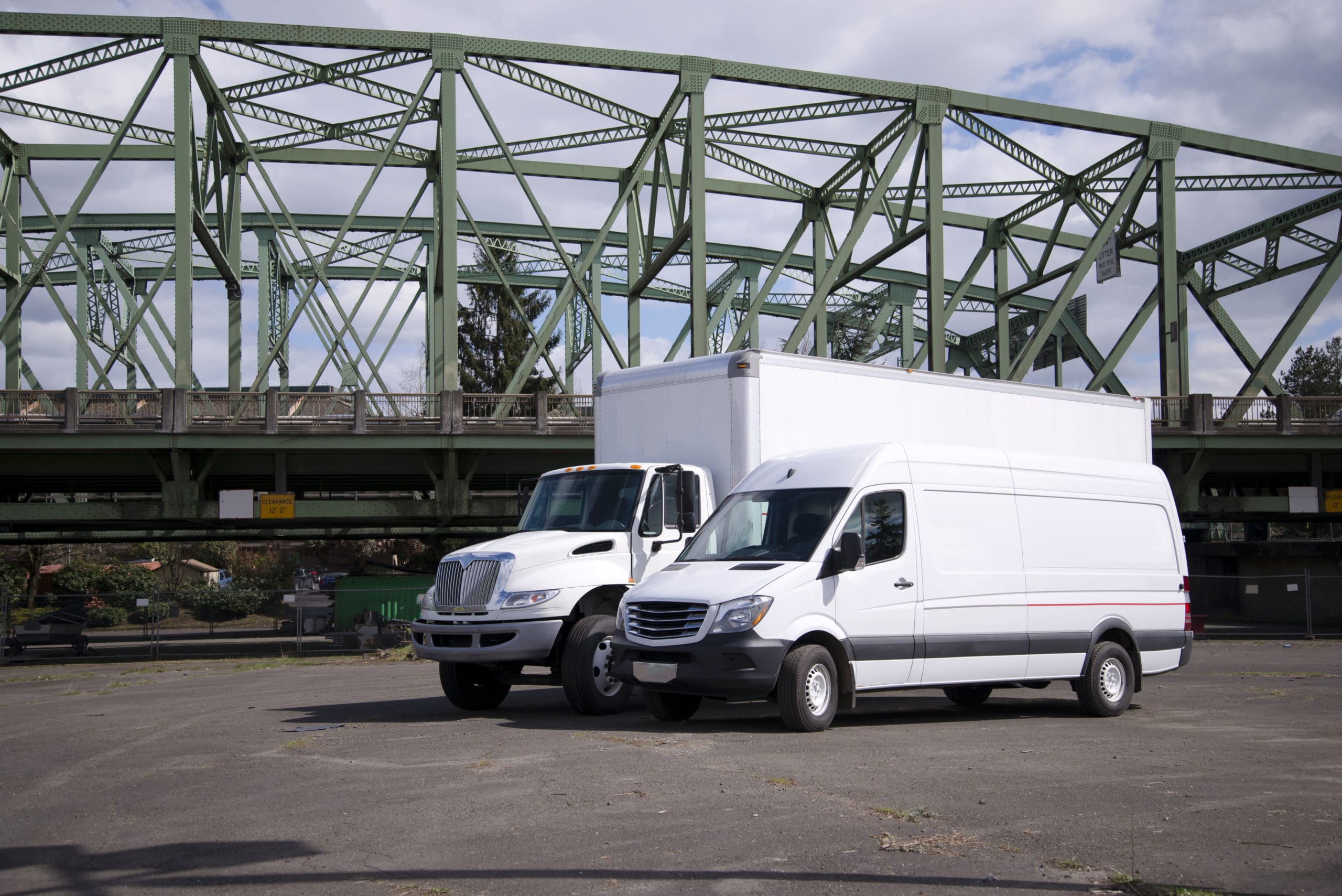
Service, delivery and work vans used for qualifying business activity.
Commercial auto insurance can help address risks connected to vehicles used for business. Trinity can help you review available insurance options for qualifying cars, vans, pickups, box trucks and other business vehicles.
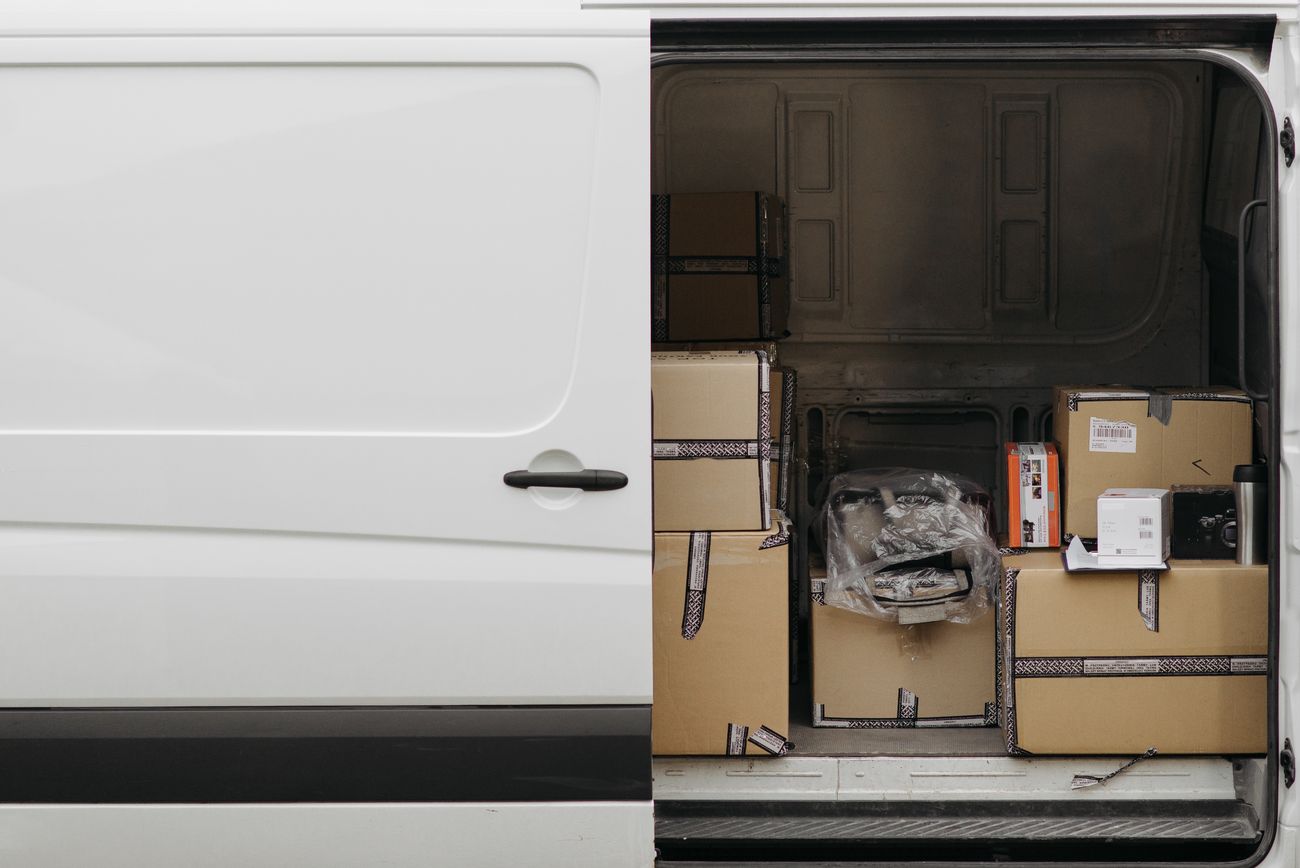
A vehicle used to transport tools, products, employees, equipment or customers may create insurance needs that differ from ordinary personal use.
The right policy structure depends on factors such as vehicle type, ownership, business use, drivers, operating area and carrier requirements.
Delivery, service calls, hauling, customer visits or other business use.
Driver information can affect eligibility and policy terms.
Vehicle size, type, ownership and equipment can matter.
Availability depends on the vehicle, business use, carrier and underwriting requirements.
Service, delivery and work vans used for qualifying business activity.
Pickups used for qualifying business or trade-related work.
Certain delivery and transport vehicles used in business operations.
Passenger vehicles owned or used for qualifying business purposes.
Vehicles carrying tools, equipment or materials for business work.
Insurance options for qualifying businesses operating more than one vehicle.
Exact coverage, limits and requirements depend on the carrier, state, vehicle and business use.
Coverage for certain covered claims involving bodily injury or property damage, subject to policy terms and limits.
May help address covered damage to an insured vehicle after a collision, subject to deductibles and policy terms.
Certain policies may cover qualifying losses from events other than a collision, subject to policy terms.
Availability and requirements vary by state and carrier.
Medical payments or similar coverage may be available depending on the state and policy.
Certain businesses may have exposure when employees use rented or non-company vehicles for business activity.
Some businesses use vehicles they do not own. Depending on the situation, hired or non-owned auto coverage may be worth discussing with an insurance agent.
Vehicles rented or leased for qualifying business activity.
Personal vehicles used for certain work-related trips or tasks.
Eligibility and coverage depend on the policy and carrier.
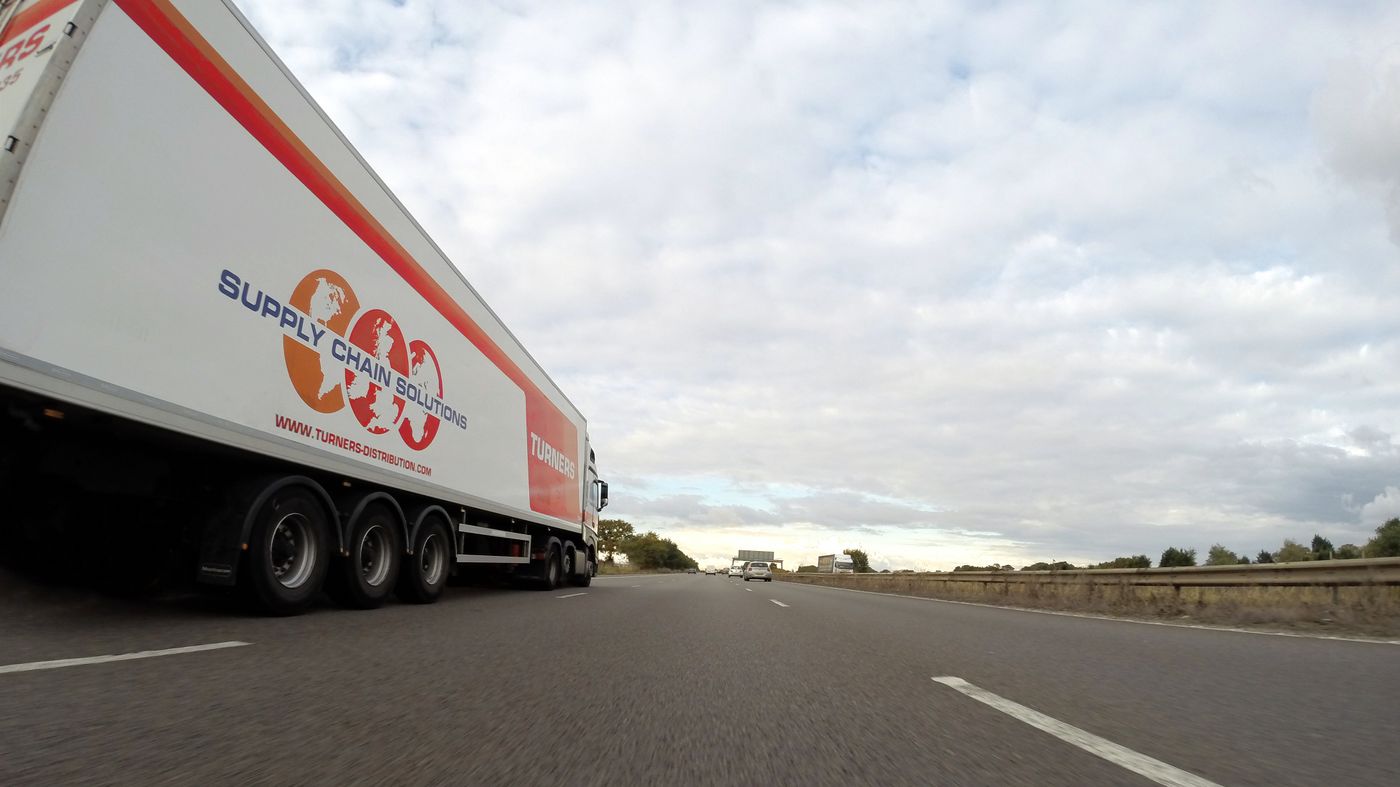
Vehicle use and eligibility vary. Trinity can discuss the type of business activity involved before reviewing options.
Vehicles used to carry tools, materials or equipment.
Qualifying vans or trucks used to transport products or packages.
Vehicles used for scheduled customer or job-site visits.
Qualifying businesses operating multiple company vehicles.
Basic information about the business, vehicles and drivers helps frame the insurance conversation.
Share the type of work and how vehicles support daily operations.
Vehicle type, ownership, number of vehicles and use can matter.
Driver information and operating practices may affect policy eligibility.
Review available coverage, limits, deductibles and carrier requirements.
Policy terms and requirements vary, so these answers are general.
Commercial auto insurance is designed for certain vehicles used in business. Coverage and eligibility depend on the vehicle, business activity, carrier and policy terms.
Personal auto policies can contain restrictions or exclusions related to certain business uses. The correct policy depends on how the vehicle is used and the applicable policy terms.
Policies may be available for qualifying businesses with one vehicle or multiple vehicles. Carrier requirements and underwriting rules vary.
Information may include business details, vehicle information, driver details, vehicle use and requested coverage. Additional information may be required by the carrier.
Depending on the policy, hired and non-owned auto coverage may address certain liability exposures involving rented vehicles or vehicles not owned by the business. Availability varies.
Coverage availability, eligibility, policy terms, limits, deductibles, exclusions and underwriting requirements vary by carrier, state, vehicle and business use. Insurance products are subject to the terms and conditions of the policy issued. Contact Trinity for product availability and coverage details.
Tell Trinity about your business, vehicles and how they are used to start reviewing available commercial auto options.