Accident-Only
Accident-only plans focus on qualifying injuries resulting from covered accidental events.
Illness coverage is generally not included.
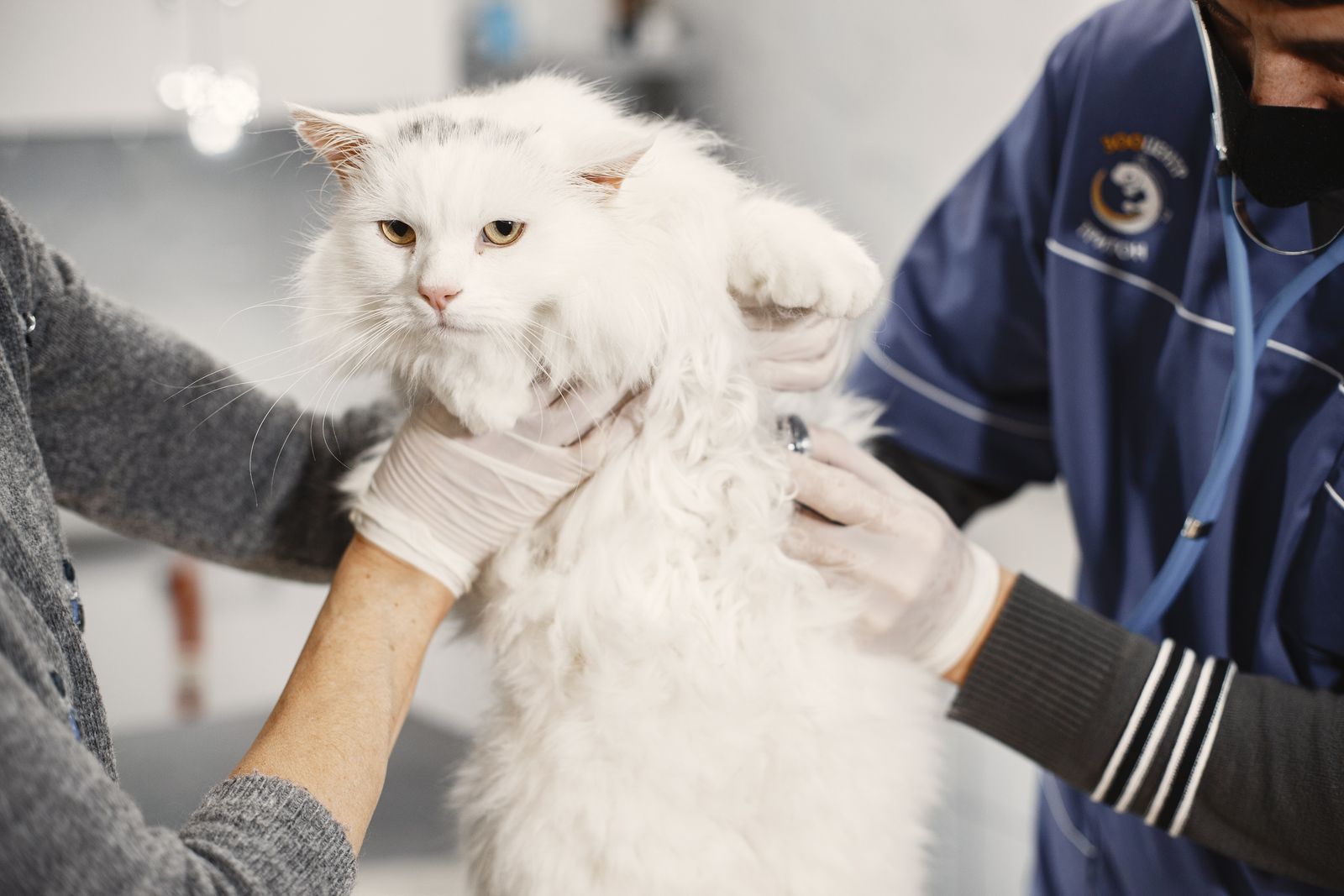
Pet insurance can help reimburse qualifying veterinary expenses when accidents or illnesses occur. Trinity can help you compare available plan types, deductibles, limits and reimbursement structures.

Pet insurance policies can reimburse qualifying veterinary expenses according to the plan’s deductible, reimbursement method, limits and exclusions.
The policy selected determines which accidents, illnesses, treatments and other services are included.
Plan names and included benefits vary between insurers. Read the policy terms before selecting a plan.
Accident-only plans focus on qualifying injuries resulting from covered accidental events.
These plans may cover qualifying veterinary expenses associated with covered accidents and illnesses.
Certain products or add-ons may address routine services such as exams, vaccinations or preventive care.

Coverage depends on the reason for treatment and the terms of the policy. Deductibles, reimbursement percentages and policy limits can affect the amount paid.
The accident, illness or treatment must fall within the policy terms.
The policy may require a deductible before eligible reimbursement applies.
The insurer may reimburse an eligible percentage or amount according to the policy.
Annual, incident or other payment limits may apply.
The examples below are general. Individual plans determine what is included.
Certain plans may include qualifying examination fees related to covered accidents or illnesses.
Covered care may include qualifying laboratory work, imaging or other diagnostic procedures.
Certain surgical procedures may qualify when connected with a covered condition.
Some policies include qualifying prescription medication according to plan terms.
Insurers may consider pet information when determining eligibility, available plans and pricing.
Policy availability can differ between dogs, cats and other pets.
Some insurers use age-related enrollment rules or pricing.
Breed information may be part of the policy rating process.
Prior conditions and treatment history may affect exclusions.
Check whether the deductible is annual, per incident or structured another way by the policy.
Review how the insurer calculates payment for qualifying expenses.
Some policies have waiting periods before certain benefits become available.
Check rules concerning pre-existing conditions and other excluded care.

Pet insurance plans can differ substantially. Comparing the policy mechanics can be as important as comparing the premium.
Determine whether the plan allows your preferred veterinary provider or uses other requirements.
Some plans reimburse the policyholder after eligible veterinary expenses are paid.
Understand applicable annual, incident or other policy limits.
Review excluded conditions, treatments and waiting periods before purchasing.
Basic pet information can begin the insurance discussion.
Share species, breed, age and basic information requested for available plans.
Consider accident-only, accident-and-illness or available wellness-related options.
Check deductibles, reimbursement, limits, waiting periods and exclusions.
Read the policy information before choosing the plan you want.
Benefits and eligibility vary by insurer and plan.
Depending on the plan, pet insurance may reimburse qualifying veterinary expenses involving covered accidents, illnesses, diagnostics, treatment, surgery and prescriptions.
Pet insurance commonly contains exclusions involving pre-existing conditions. Definitions and rules differ by insurer, so check the policy before purchasing.
Accident-only coverage focuses on qualifying injuries caused by covered accidents. Accident-and-illness plans may also include qualifying illnesses, subject to policy terms.
Payment methods differ by insurer. Many policies reimburse the policyholder for qualifying expenses after treatment, while some plans may provide other payment arrangements.
Information may include the pet’s species, breed, age, location and other information requested by the insurer.
Tell Trinity about your pet to begin reviewing available pet insurance plans, deductibles and reimbursement choices.