One policy for property, liability and business income.
A Business Owner's Policy, commonly called a BOP, packages several core business insurance coverages into one policy for eligible businesses.

A BOP combines several everyday business coverages.
Rather than purchasing certain property and liability coverages separately, eligible businesses may be able to use one Business Owner's Policy.
The exact policy, limits, extensions and eligibility rules depend on the insurer and the type of business.
Three parts working inside one policy.
Individual BOP forms differ, but general liability, business property and business income are common core coverage areas.
General Liability
General liability can address qualifying claims involving third-party bodily injury, property damage and certain other liability allegations.
Commercial Property
Property coverage can address qualifying covered loss to insured buildings, equipment, inventory, furniture and other business property.
Business Income
Business income coverage may help with qualifying income loss and certain continuing expenses while operations are suspended after a covered property event.

Property damage can affect more than the property itself.
When a covered event damages business property, the business may also lose the ability to operate normally. Different parts of a BOP can address different parts of that loss.
Commercial property coverage can address qualifying physical damage to insured property.
A covered property event may force operations to stop while repairs are underway.
Business income coverage may respond to qualifying income loss during the covered suspension.
General liability addresses qualifying third-party claims rather than damage to your own business property.
A BOP is designed for certain eligible businesses.
Eligibility rules vary by insurer. Business activity, size, property and other risk information may all be considered.
Retail Businesses
Eligible shops and retail operations may need both property and liability coverage in one policy.
Offices
Certain office-based businesses may qualify depending on business activity and carrier rules.
Service Businesses
Some qualifying service businesses may use a BOP for core property and general liability needs.
Property-Based Operations
Certain eligible businesses with equipment, inventory or physical locations may qualify.
Look at what the business would need to replace.
A business can depend on far more than the building itself. Equipment, inventory and other physical assets may form part of the property review.
Machinery, computers, tools and other insured equipment.
Qualifying stock and products held by the business.
Desks, shelving and other insured business furnishings.
Certain qualifying improvements made to occupied premises.
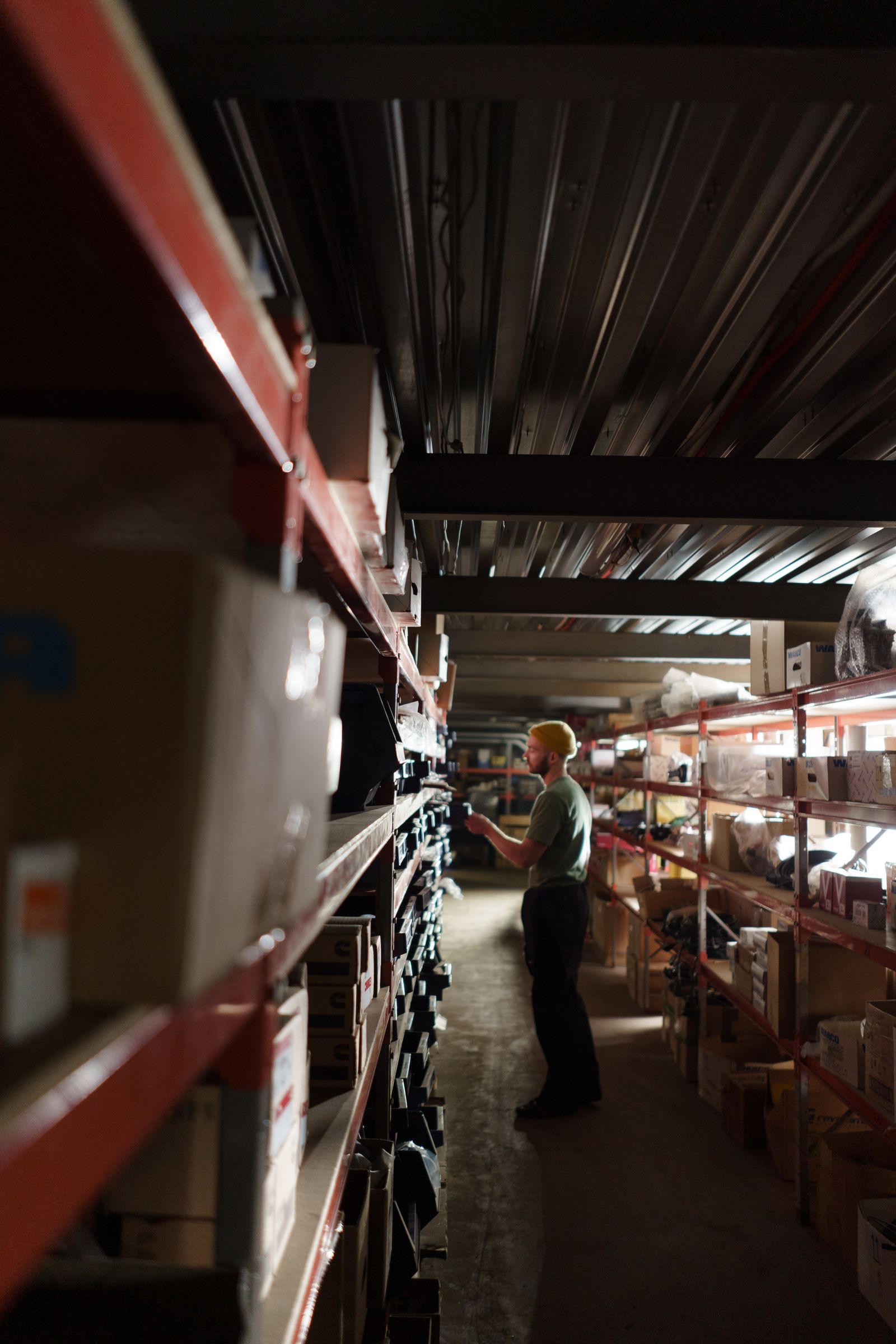

A closed business can still have bills to pay.
Business income coverage may help with certain financial losses when a covered property event causes qualifying operations to stop.
Coverage may address qualifying income that would otherwise have been earned.
Certain ongoing expenses may qualify according to policy terms.
Certain extra expenses tied to continuing operations elsewhere may qualify under applicable coverage.
Business income coverage depends on the policy trigger and covered cause of loss.
Some business risks may need separate coverage.
A Business Owner's Policy does not automatically replace every other type of commercial insurance a business may need.
Commercial Auto
Business-owned or qualifying business-use vehicles may require separate commercial auto coverage.
Professional Liability
Professional services and alleged errors or omissions may require separate coverage.
Workers' Compensation
Employee-related coverage is handled separately and requirements differ by state.
Cyber Liability
Businesses handling digital systems or customer information may consider separate cyber coverage.
The insurer will look at the business itself.
Business Type
The work performed and industry can affect BOP eligibility.
Property
Locations, equipment, inventory and property values may be reviewed.
Revenue & Operations
Business size and operating information may form part of carrier eligibility.
Claims History
Prior insurance and claim information may be requested during underwriting.
A package policy still needs a careful review.
Combining coverage in one policy does not make every limit, exclusion or condition identical between insurers.
Check the limits applying to qualifying liability claims.
Review insured buildings, equipment and inventory values.
Check applicable deductibles for covered property losses.
Read what is excluded and which additional coverage has been added.

Start with the property, liability and income risks.
Basic business information can help determine whether a BOP may fit the operation.
Describe the business.
Share business activity, locations and normal operations.
Review business property.
Identify equipment, inventory, furniture and other property that may need insurance.
Review liability and income.
Consider customer activity, liability risks and the effect of a covered shutdown.
Review the policy.
Check limits, deductibles, covered causes, exclusions and any added coverage.
Common questions.
BOP eligibility and policy terms vary by business and insurer.
A Business Owner's Policy, or BOP, is a packaged commercial insurance policy commonly combining general liability, commercial property and business income coverage for eligible businesses.
BOPs commonly include general liability, commercial property and business income or business interruption coverage. Exact policy terms differ by insurer.
No. Eligibility depends on insurer guidelines and can involve the type of business, size, property, operations and other risk information.
Commercial auto is generally handled separately from the core BOP. Businesses with vehicles should review their commercial auto needs separately.
Workers' compensation is generally separate from the core BOP. Employer requirements differ by state and business situation.
Information may include business activity, locations, property values, equipment, inventory, revenue, prior coverage and claim history.
Put core business coverage together in one conversation.
Tell Trinity about your business, property and operations to begin reviewing available BOP options.