Dwelling
Coverage may apply to certain covered damage to the rental building according to policy terms and limits.
A rental property has different insurance needs from a home you occupy yourself. Trinity can help you review landlord insurance options for the building, liability and certain rental-income risks.
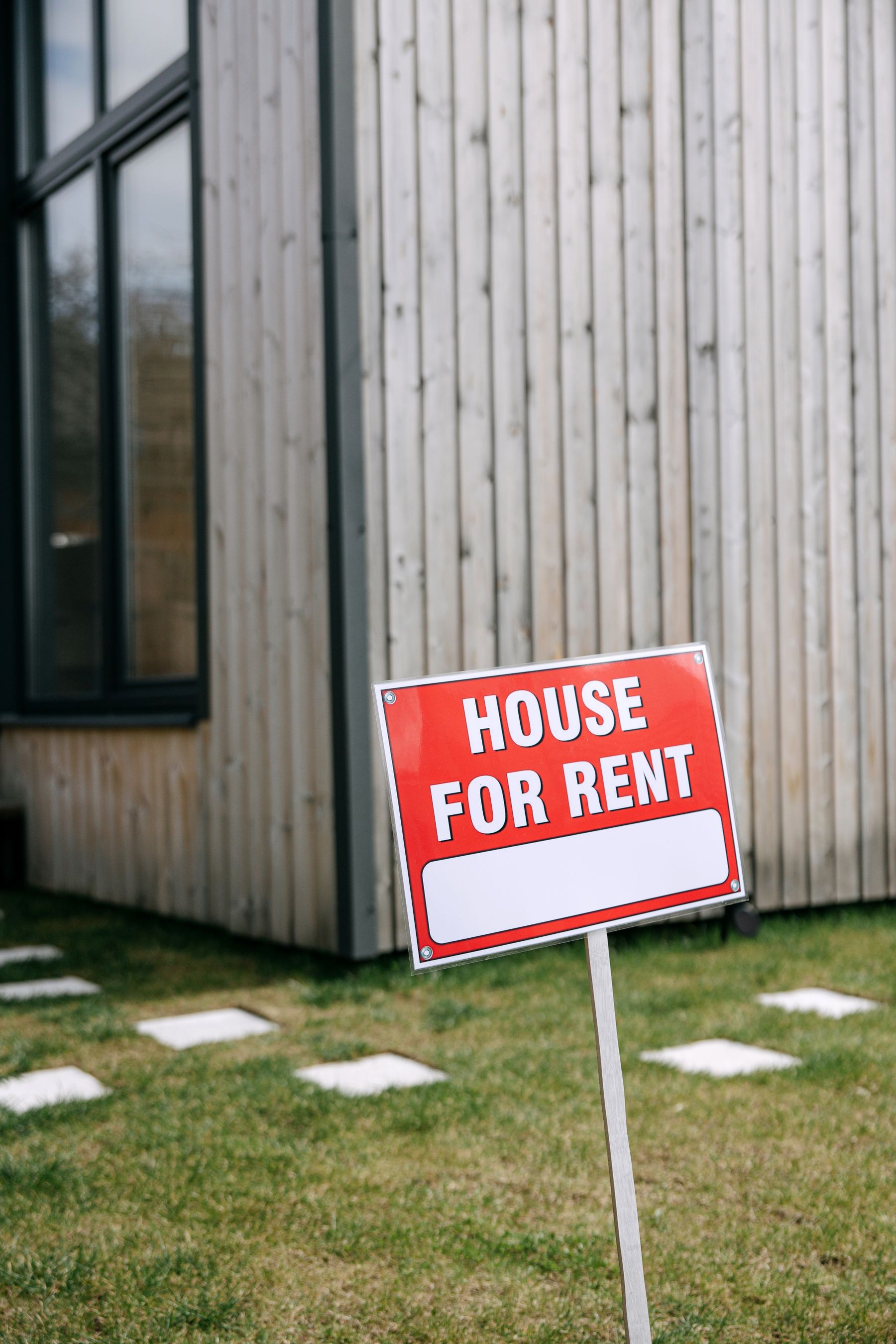
When a property is occupied by tenants, the owner’s insurance needs can change. A landlord policy is generally centered on the owner’s building, qualifying property, liability and rental-related risks.
The policy should match how the property is occupied and how it is used.
Exact coverage depends on the property, carrier, policy form, selected limits and policy terms.
Coverage may apply to certain covered damage to the rental building according to policy terms and limits.
Certain detached structures associated with the rental property may be included when provided by the policy.
Certain property owned by the landlord and used to service the rental may be addressed by the policy.
Coverage may address certain covered claims involving injury or property damage connected with the insured property.
Certain policies may address qualifying lost rental income when a covered loss makes the property uninhabitable.
Other property or liability options may be available depending on the carrier and rental arrangement.
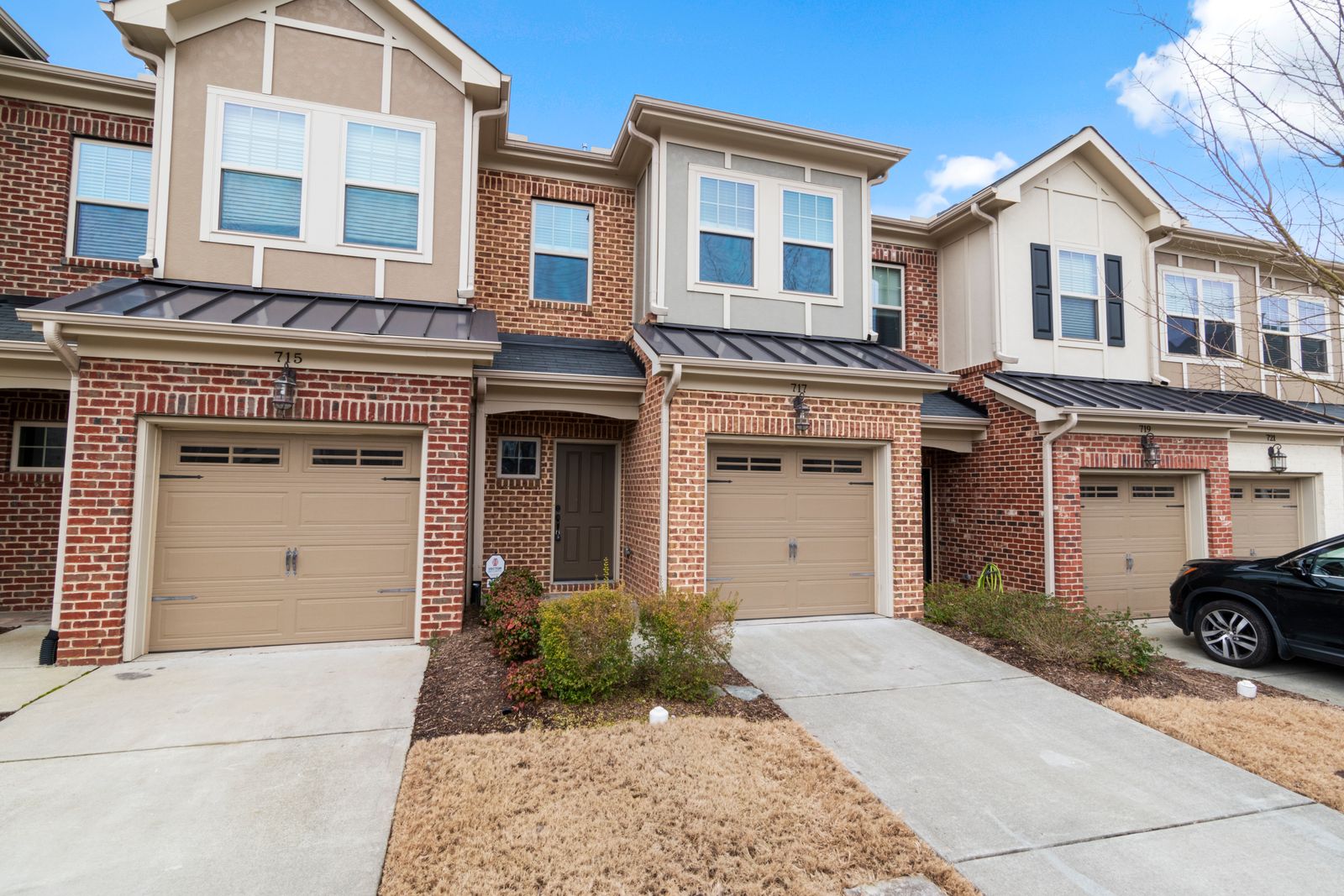
Property type, occupancy and rental use can affect which policy forms and carrier options are available.
A detached home, townhome or other residential property may have different underwriting details.
Carrier requirements may differ based on how the property is occupied.
Age, size, construction and property updates may be part of underwriting.
How the home is rented may affect available policy choices.
Occupying your own residence and renting a property to tenants create different insurance situations.
A homeowners policy is generally centered on a residence occupied by the insured owner.
A landlord policy is generally centered on a residential property rented to others.
Certain landlord policies may provide coverage for qualifying rental income that is lost because covered property damage prevents tenants from occupying the residence.
The event must fall within the terms of the applicable policy.
Coverage may depend on the property being unfit for occupancy after the loss.
Available rental-income coverage is subject to applicable limits.
The policy determines when and how qualifying coverage applies.
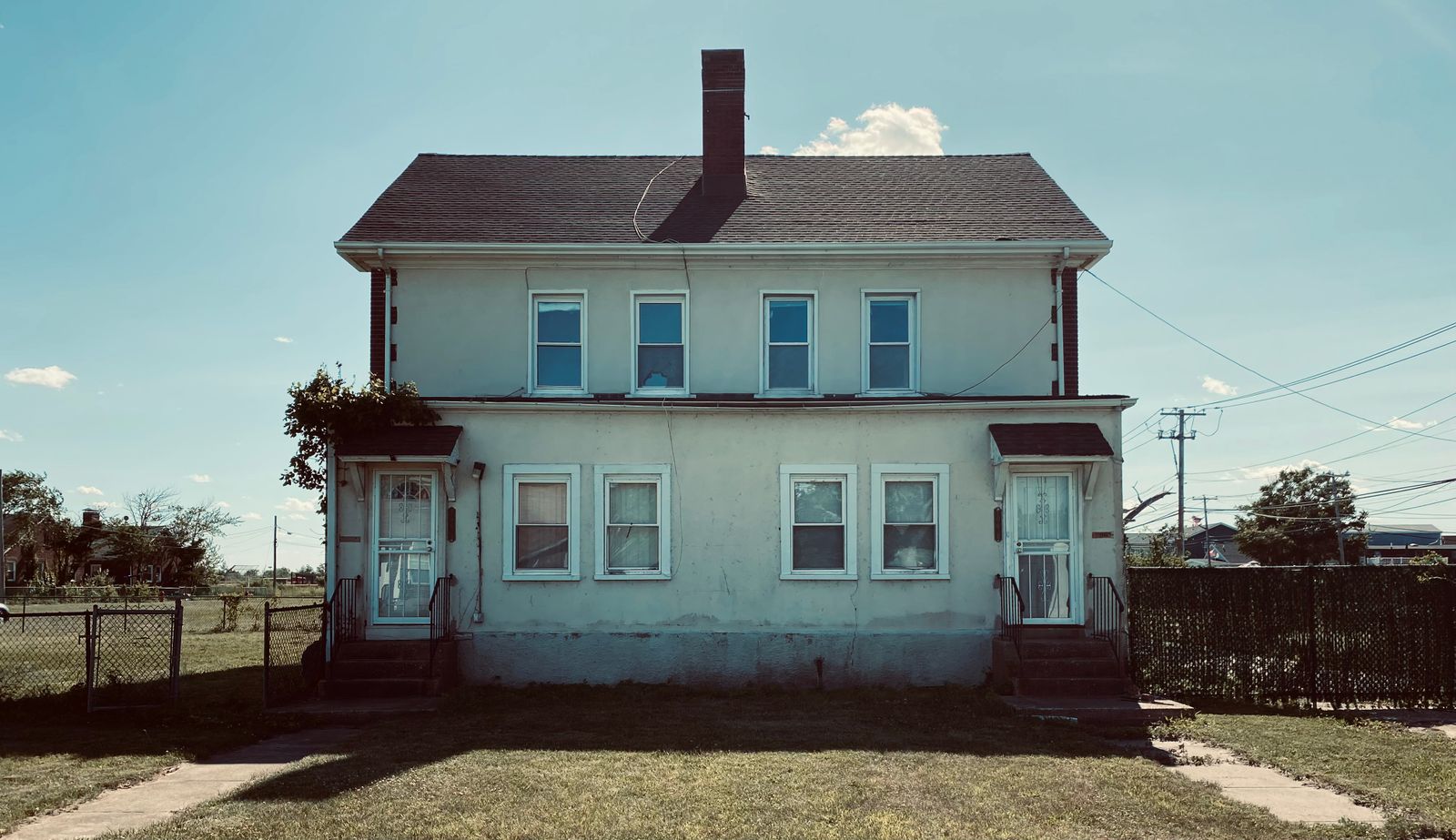

A landlord policy generally addresses the property owner’s insurance interests. A tenant’s own furniture, electronics, clothing and personal liability are separate insurance considerations.
Centered on the rental building and qualifying owner-related property and liability.
Centered on the tenant’s qualifying belongings and personal liability.
Review the amount of property coverage shown for the rental building.
Review available premises liability limits and policy terms.
Understand which deductible applies to qualifying property losses.
Review exclusions and restrictions contained within the policy.
Property and rental information helps begin the landlord insurance discussion.
Share the address, property type, age and basic building information.
Provide information about occupancy and the rental arrangement.
Discuss available property, liability and rental-income options.
Review the policy information before selecting the coverage you want.
Policy terms and property eligibility vary by carrier.
Landlord insurance may include coverage for the rental dwelling, qualifying landlord-owned property, premises liability and certain lost rental income after a covered property loss.
A property rented to tenants may require a different policy from an owner-occupied residence. The correct policy depends on how the property is used and carrier rules.
A landlord policy generally does not insure a tenant’s personal belongings. Tenants can consider their own renters insurance for qualifying personal property.
Certain landlord policies may address qualifying rental income lost because a covered property loss makes the residence unfit for occupancy.
Information may include the property address, construction details, occupancy, rental use, building updates, prior coverage and other information requested by the carrier.
Tell Trinity about your rental property and how it is occupied to begin reviewing available landlord insurance options.