General Liability
General liability insurance can address qualifying third-party bodily injury, property damage and certain other business liability claims.
Business insurance can help address qualifying liability claims, property losses, interruptions, vehicle exposures and other risks tied to the way your business operates.

A business may own equipment, hold inventory, serve customers, employ staff, operate vehicles or provide professional services.
Business insurance can be arranged around those activities rather than using the same policy structure for every operation.
Coverage availability, eligibility, limits and exclusions depend on the business and insurer.
General liability insurance can address qualifying third-party bodily injury, property damage and certain other business liability claims.
Property coverage can protect qualifying buildings, equipment, furniture, inventory and other insured business property after a covered loss.
Business income coverage may help with qualifying income loss and certain continuing expenses when operations are suspended after a covered property loss.
Professional liability insurance may address qualifying claims involving alleged errors, omissions or negligence in professional services.
Businesses that own or use qualifying vehicles may need commercial auto coverage rather than relying on personal auto insurance.
Workers' compensation can provide benefits connected with qualifying work-related injuries or illnesses. Employer requirements differ by state.
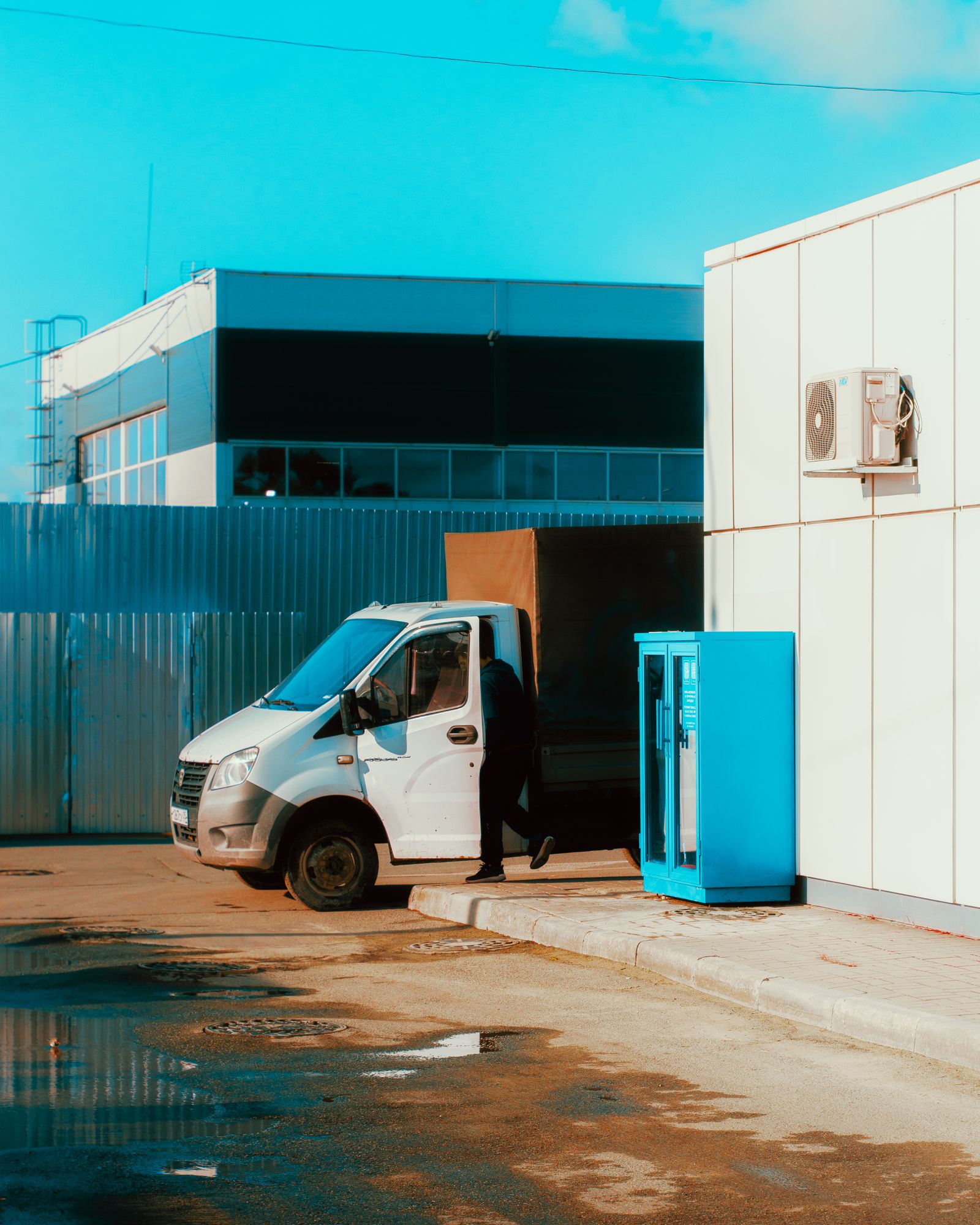
Business activity helps determine which policies may be relevant and which risks need separate attention.
Customer traffic can create third-party liability exposure.
Physical business property may need protection against covered losses.
Commercial vehicle use may require its own insurance structure.
State workers' compensation rules may apply depending on the business and workforce.
A Business Owner's Policy, often called a BOP, commonly combines several basic business coverage sections when the business meets carrier eligibility rules.
Eligibility and available extensions vary by insurer, business type, size and risk characteristics.
Third-party liability protection included within qualifying BOPs.
Protection for qualifying insured business property and locations.
Coverage may address qualifying income loss following a covered property event.
Businesses that give advice, perform professional work or handle customer information may need coverage beyond general liability and property insurance.
For qualifying claims tied to professional services, errors or alleged negligence.
Coverage may address qualifying cyber events, data incidents and related response costs.
Protection for qualifying third-party injury and property damage claims.
Coverage for qualifying office equipment and other insured business property.

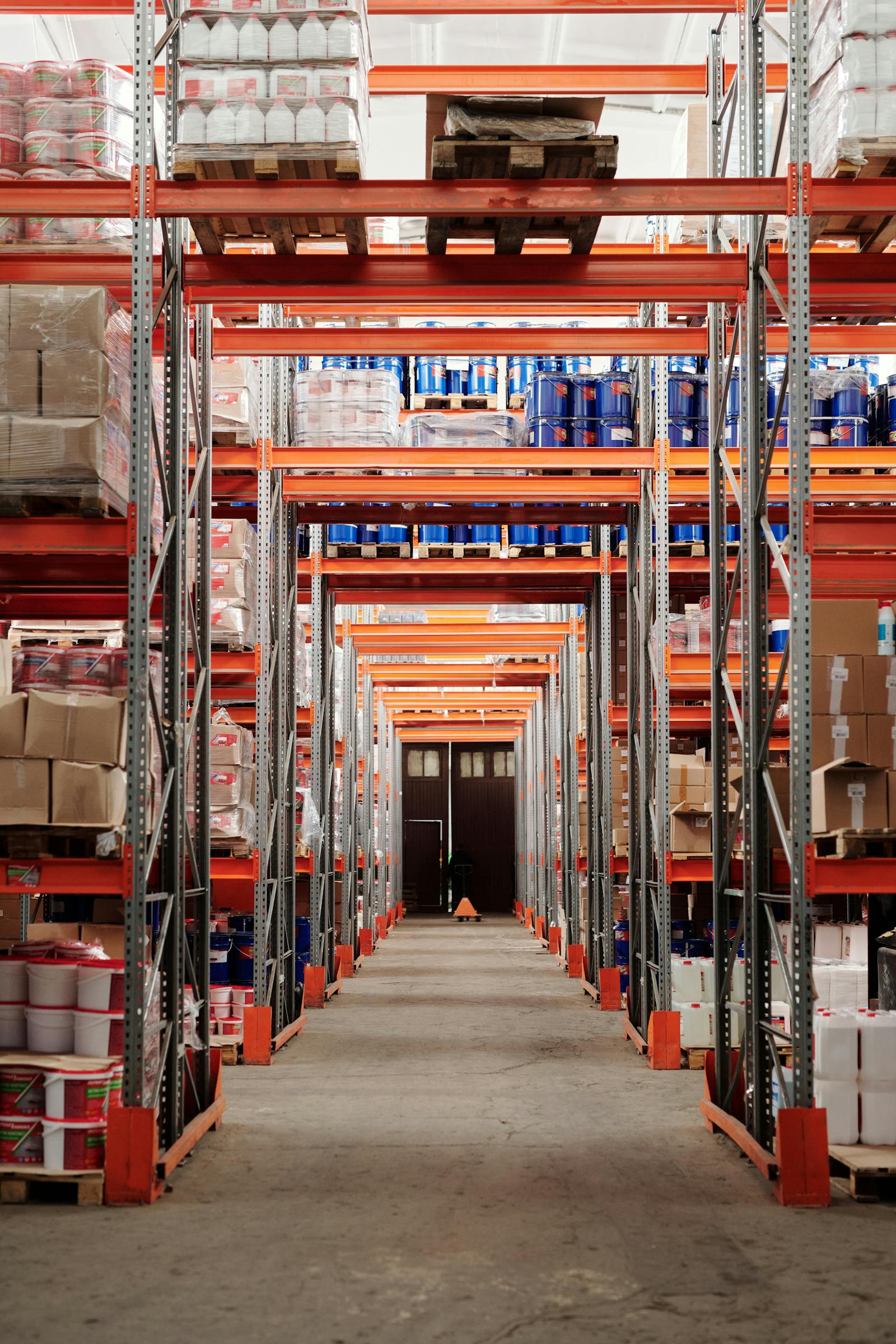
Commercial property insurance can address qualifying physical loss to insured business property when caused by an event covered by the policy.
Property responsibilities depend on ownership, lease terms and policy.
Machinery, tools, computers and other equipment may require coverage.
Stock and goods held for sale can form part of insured property.
A covered property loss can also affect the ability to keep operating.
For qualifying vehicles owned or used by the business.
Coverage for certain qualifying cyber and data-related incidents.
For qualifying claims tied to professional services or alleged errors.
Employee-related coverage subject to applicable state rules and policy terms.
Workers' compensation systems for private employers are administered through state programs, and rules differ by jurisdiction and business situation.
Employer requirements can differ from one state to another.
Work performed can affect policy classification and pricing.
Office, retail, driving, trade and industrial work can present different risks.
Payroll and employee information may be requested for underwriting.

What the business does and where work takes place may affect underwriting.
Building, inventory and equipment information may be requested.
Staff, payroll and business vehicles can affect applicable policies.
Insurers may request insurance history and prior claim information.
Business information helps identify the policies and limits that need review.
Share business activity, locations and the type of work being performed.
Identify equipment, inventory, vehicles, customer activity and other business exposures.
Consider liability, property, income and other applicable business coverage.
Check limits, deductibles, covered causes and exclusions before selecting coverage.
Coverage needs differ by business, industry, location and insurer.
Business insurance can include general liability, commercial property, business income, professional liability, commercial auto, workers' compensation and other coverage depending on the operation.
A Business Owner's Policy, or BOP, commonly combines general liability, commercial property and business income coverage for eligible businesses. Exact coverage depends on the insurer and policy.
No. Insurance needs can vary based on the business activity, location, property, employees, vehicles, contracts and services provided.
Businesses that own or use vehicles for business purposes may need commercial auto insurance depending on vehicle ownership, use and applicable policy requirements.
Requirements differ by state and business situation. Private-employer workers' compensation programs are generally administered at the state level.
Information may include business activity, locations, property, equipment, inventory, employees, payroll, vehicles, prior coverage and claim history.
Tell Trinity about your business, property, employees and operations to begin reviewing available business insurance choices.