Home Repairs
Coverage may address qualifying earthquake damage to the insured dwelling and certain attached structural property according to policy terms.
Standard homeowners insurance generally does not cover earthquake damage. Earthquake insurance can provide separate protection for qualifying damage to your home, belongings and certain living expenses.
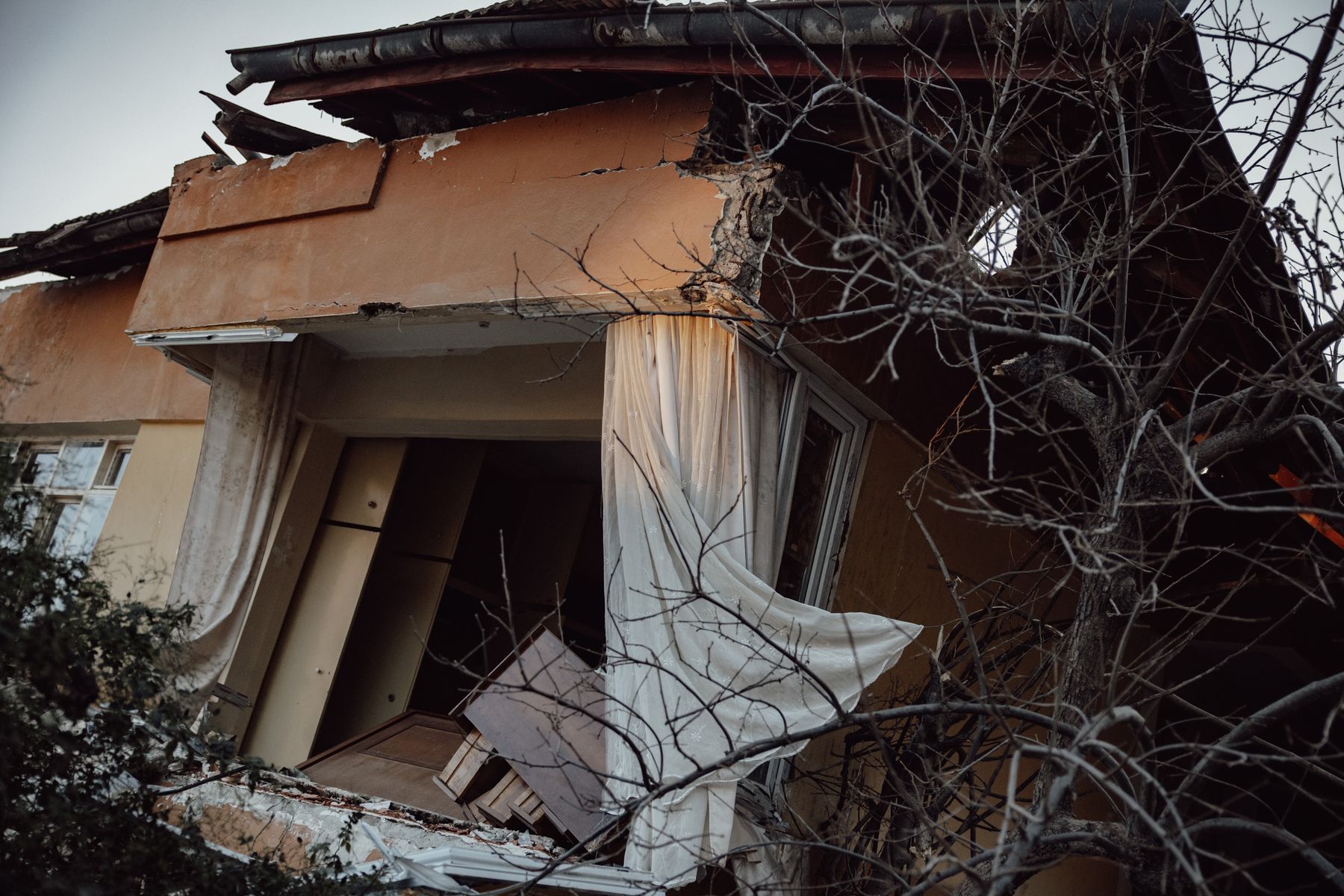
Standard homeowners insurance generally excludes damage caused by earthquakes and other earth movement. Earthquake protection may be available through separate insurance or an applicable policy endorsement.
Coverage, deductibles, limits and available policy forms differ by carrier and location.
Coverage differs by state, carrier and policy form. Review the actual limits and deductible before selecting a policy.
Coverage may address qualifying earthquake damage to the insured dwelling and certain attached structural property according to policy terms.
Certain personal property may be insured against qualifying earthquake damage, subject to limits and exclusions.
Certain policies may address qualifying temporary living costs when covered earthquake damage makes the residence unusable.

The type and extent of damage depends on the structure, foundation, location and intensity of ground movement.
Walls, framing and other structural components can be affected by shaking.
Ground movement can affect foundations and structural support.
Shaking can damage qualifying personal belongings inside the home.
Severe covered damage may make a residence temporarily unusable.
Different types of resulting damage can fall under different insurance policies. Review the policy language that applies.
Qualifying direct physical earthquake damage may fall under earthquake insurance according to policy terms.
Flooding generally requires separate flood insurance even when an earthquake contributes to the event.
Damage to a vehicle is generally addressed through applicable auto coverage rather than a residential earthquake policy.
Property characteristics can be part of earthquake insurance underwriting and pricing decisions.
Seismic exposure varies between regions and individual properties.
Building type and construction details may affect policy information.
Foundation design may be relevant to structural earthquake risk.
Property and rebuilding information may be considered when setting limits.

Earthquake deductibles can work differently from standard homeowners deductibles. Review how the policy calculates yours.
Check the amount available for qualifying covered damage to the insured structure.
Personal property limits can differ from the amount shown for the dwelling.
Review exclusions, limitations and conditions before choosing a policy.
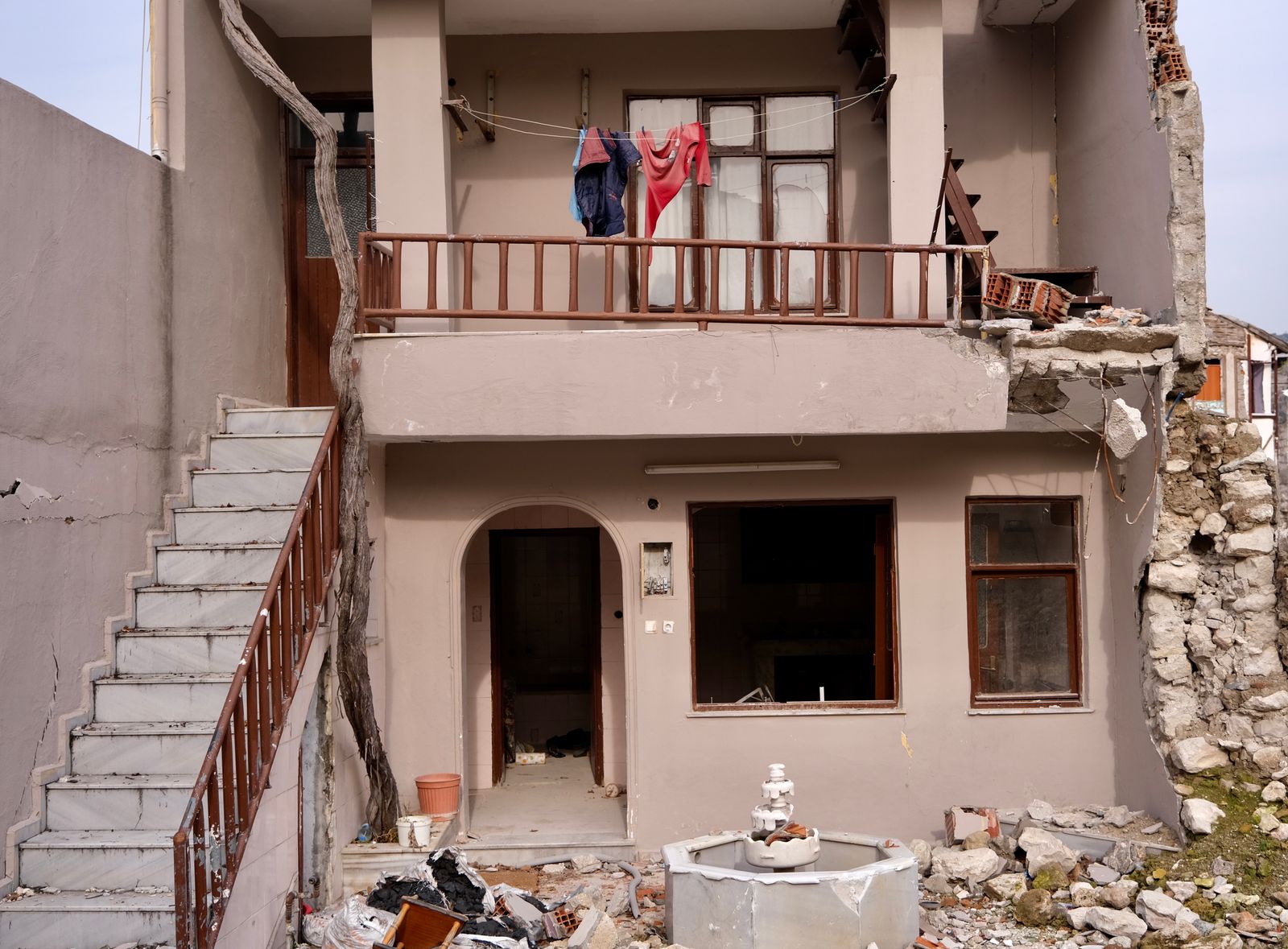
Property condition and structural details can affect how a home responds to seismic movement. Insurance addresses covered financial losses according to the policy issued.
Keep accurate information about the building, construction and major updates.
Check dwelling, personal property and living-expense limits when comparing policies.
Keep policy information accessible and review carrier requirements before a loss occurs.
Basic property information can begin the earthquake insurance conversation.
Share the address, construction and basic building information.
Consider the dwelling, belongings and potential temporary living costs.
Compare available limits, deductibles and carrier requirements.
Review the policy information before choosing the coverage you want.
Coverage availability and policy structure vary by state and carrier.
Standard homeowners insurance generally does not cover direct earthquake damage. Separate earthquake insurance or an applicable endorsement may be needed.
Depending on the policy, earthquake insurance may address qualifying damage to the home, personal belongings and certain additional living expenses.
Flood damage generally requires separate flood insurance. Coverage depends on the cause of loss and the policies involved.
Earthquake policies can use deductibles that differ from standard homeowners insurance. Some policies use a percentage of the applicable coverage limit. Review the policy for the exact calculation.
Information may include the property address, construction, year built, foundation information, dwelling details, requested coverage and other information required by the carrier.
Tell Trinity about your property and earthquake insurance needs to begin reviewing available coverage choices.