Life • Health • Financial Services
Protecting What You Have, Who You Love, and What’s Ahead!
Flood Insurance

Protection when rising water reaches your property.

Most standard homeowners policies do not cover flood damage. Flood insurance can provide separate protection for qualifying damage to a building and belongings caused directly by flooding.

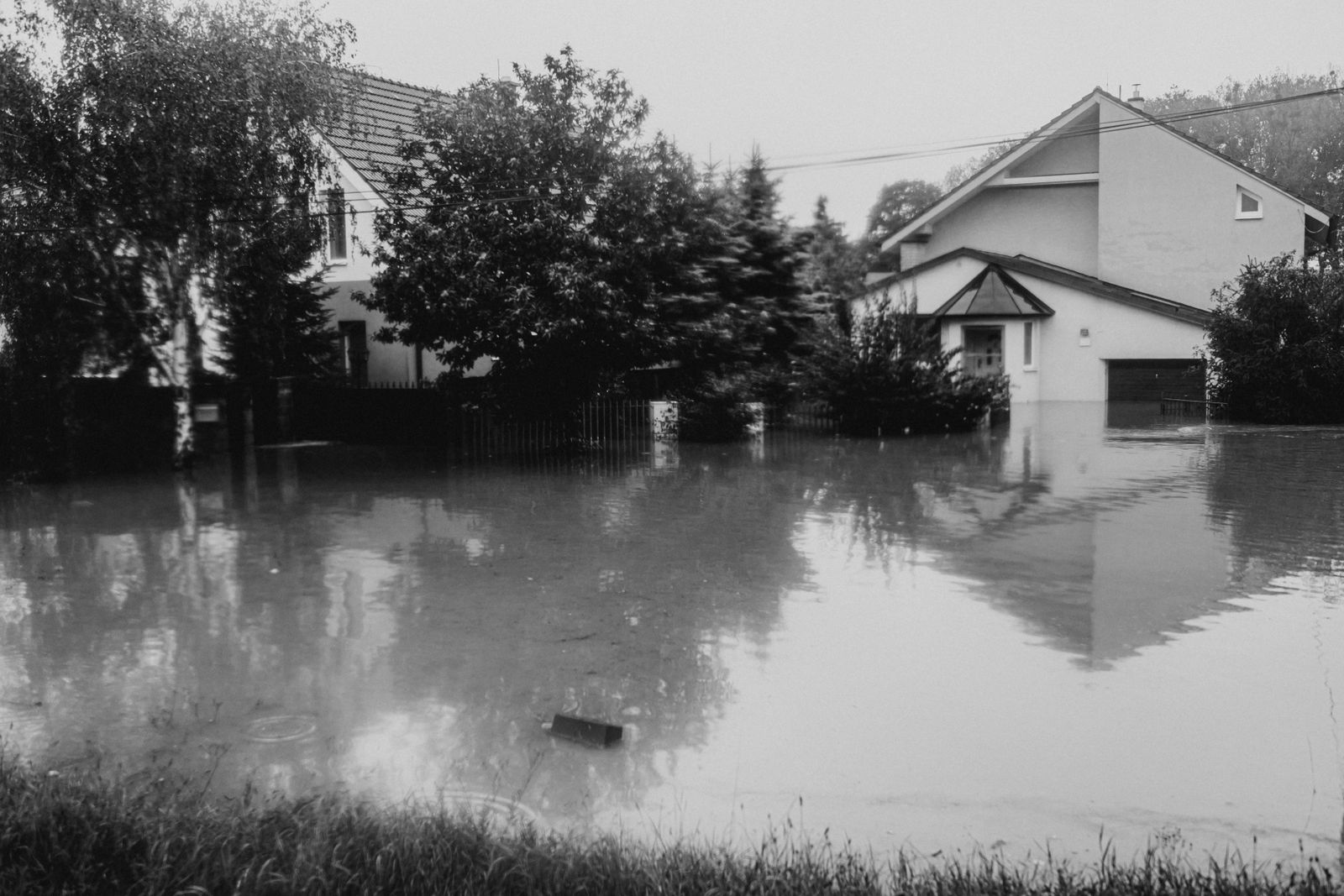
Suburban house surrounded by floodwater during heavy rain
Separate Flood Protection Coverage focused on qualifying physical damage caused by flooding.
01
Building Qualifying structural damage
02
Contents Qualifying belongings
03
Flood Risk Not limited to coastal areas
04
Separate Policy Different from homeowners coverage
Flood Protection

Home insurance and flood insurance address different losses.

Standard homeowners and renters policies generally exclude flood damage. A separate flood policy is designed to address qualifying direct physical losses caused by flooding.

Flood insurance may be available for homeowners, renters and certain business properties depending on the policy program and eligibility.

Flood Coverage

Two sides of flood protection.

Building and contents coverage address different property. Exact coverage depends on the policy issued.

01 / Building

Building Coverage

Building coverage can address qualifying direct physical flood damage to the insured structure and certain permanently installed systems and property.

Building structure
Electrical and plumbing systems
Certain installed appliances
Certain permanently installed property
02 / Contents

Contents Coverage

Contents coverage can address qualifying personal belongings damaged directly by flooding, subject to the policy’s limits and conditions.

Furniture
Clothing
Certain electronics
Certain portable appliances
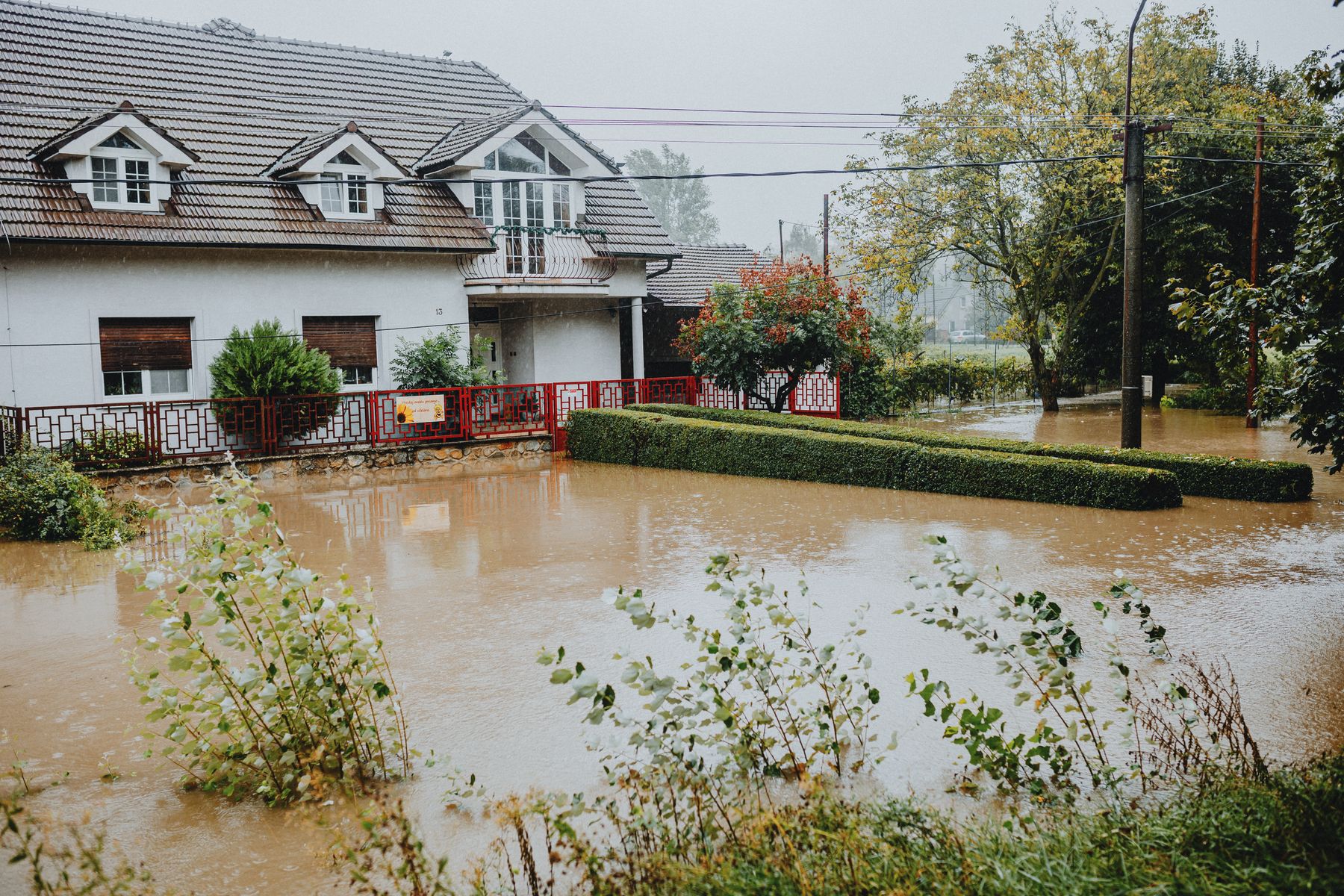
Residential house surrounded by floodwater
Flood Risk Flood risk is not limited to homes beside the coast.
Understanding Risk

Water does not need an ocean nearby.

Flooding can result from several external sources. Property location and building characteristics can affect flood risk.

01
Heavy rainfall

Large amounts of rain can create surface flooding and rising water.

02
Rivers & streams

Nearby waterways can overflow during certain weather conditions.

03
Coastal water

Coastal flooding and storm surge can create flood-related property losses.

04
Local drainage

Drainage conditions and surrounding elevation can affect flood exposure.

Source of Water

Where the water comes from can matter.

Flood insurance is designed around losses directly caused by flooding rather than every form of water damage.

01

Rising Surface Water

Water accumulating and moving across normally dry land may fall within flood-policy definitions.

02

Overflowing Waterways

Flooding from overflowing rivers, streams or other bodies of water may qualify according to policy terms.

03

Storm Surge

Flood insurance can address qualifying flood damage caused by storm surge, subject to policy terms.

Property Information

Flood insurance starts with the property itself.

Property characteristics and location can be part of flood-risk and insurance pricing decisions.

01 Property location

Location relative to flood sources can affect the property’s risk.

02 Building elevation

Elevation and foundation characteristics can affect flood exposure.

03 Building characteristics

Property construction and layout can be relevant to flood insurance.

04 Coverage requested

Building and contents needs should be reviewed separately.

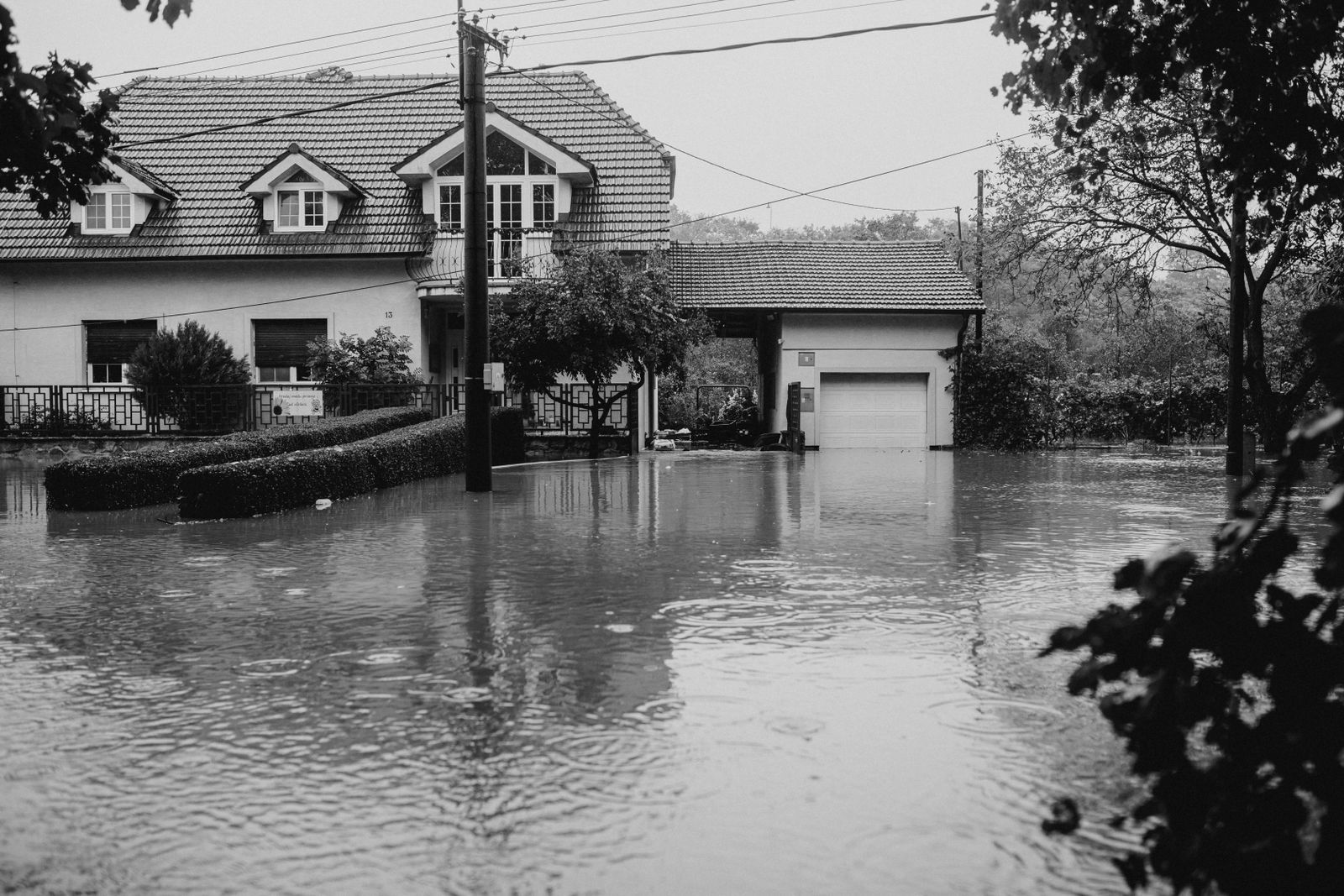
Residential neighborhood street covered by floodwater
Residential Flooding Floodwater can affect an entire street, not only waterfront properties.
Separate Coverage

Homeowners insurance is not flood insurance.

The two policies are designed to address different types of property loss.

Residential Property Policy

Homeowners Insurance

A homeowners policy may cover many property losses, but standard homeowners coverage generally excludes flooding.

Dwelling coverage
Personal property
Liability
Flood Policy

Flood Insurance

Flood insurance is separate protection designed around direct physical damage caused by qualifying flooding.

Building coverage
Contents coverage
Flood-related physical loss
Getting Started

Start with the property and its flood exposure.

Property information helps begin the flood insurance discussion.

01

Tell us about the property.

Share the address, property type and basic building details.

02

Review flood information.

Property location and building characteristics may be considered.

03

Review coverage choices.

Discuss available building and contents coverage where applicable.

04

Choose your next step.

Review policy details before selecting the coverage you want.

Flood Insurance FAQ

Common questions.

Policy eligibility and coverage depend on the policy issued.

Most standard homeowners insurance policies do not cover flood damage. Flood protection generally requires separate flood insurance.

Flood insurance can cover qualifying direct physical flood damage to the insured building and belongings, depending on the coverage purchased and policy terms.

No. Properties outside designated high-risk flood areas can still experience flooding and may be eligible for flood insurance.

No. Building coverage addresses qualifying insured structural property, while contents coverage addresses qualifying belongings. Policy terms determine what is covered.

Information may include the property address, building type, construction information, foundation characteristics, coverage requested and other property information requested by the carrier.

Flood Insurance

Prepare before the water reaches your door.

Tell Trinity about your property and flood insurance needs to begin reviewing available coverage choices.