Home or Renters Coverage
Jewelry may already receive some protection as personal property under an existing homeowners or renters policy.
Special category or theft limits may apply.
Jewelry insurance can provide additional protection for qualifying rings, necklaces, watches and other insured pieces when standard home or renters coverage does not provide enough protection.
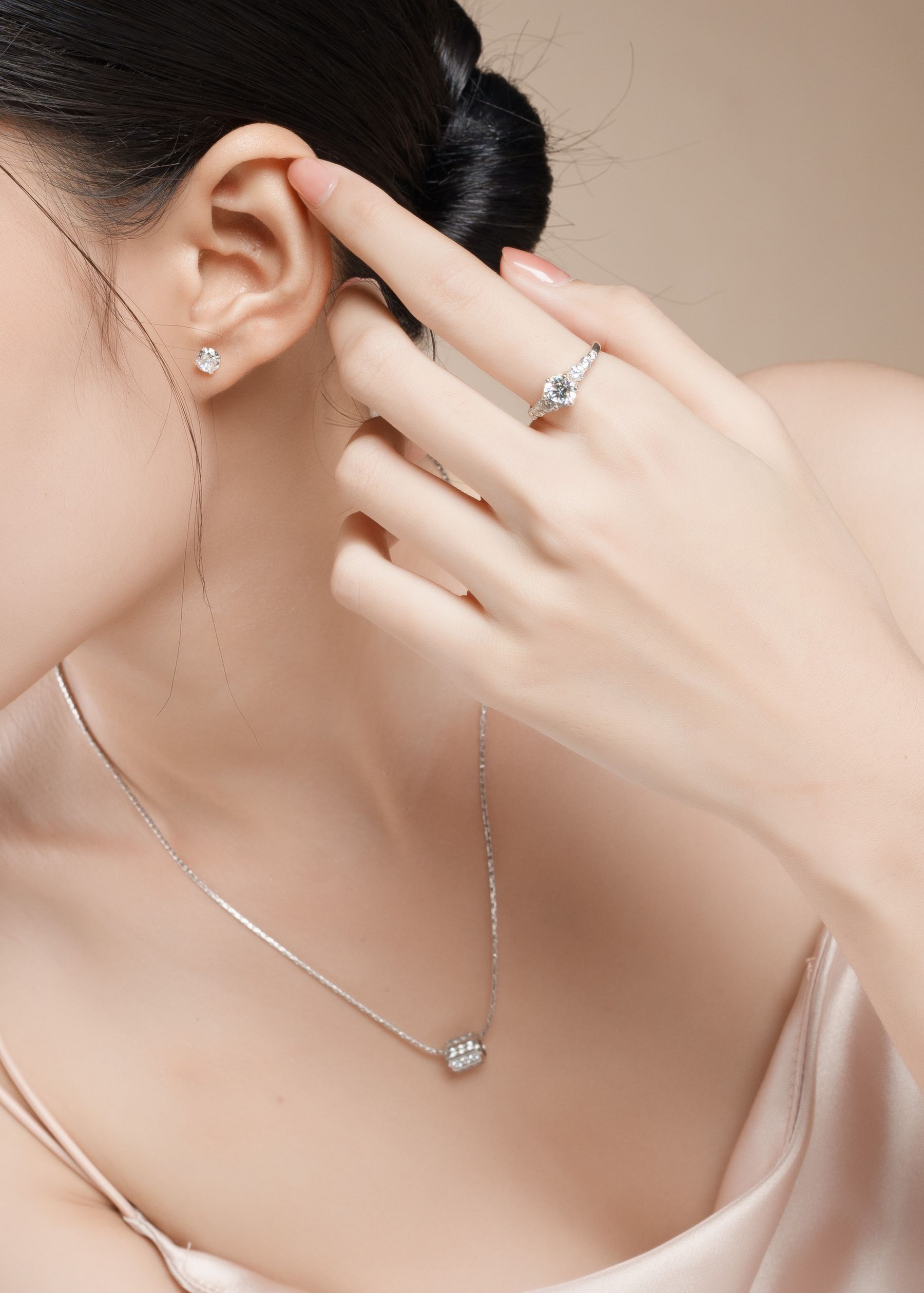
Homeowners and renters insurance commonly include jewelry within personal property, but special limits can apply to certain losses or categories of property.
Additional jewelry coverage may be available through an endorsement, scheduled personal property coverage or a separate policy.
Your current homeowners or renters policy is a good place to start before adding separate protection.
Jewelry may already receive some protection as personal property under an existing homeowners or renters policy.
Individual pieces can sometimes be scheduled separately to provide additional protection beyond the standard policy limits.
Depending on availability, qualifying jewelry may be insured through a policy separate from homeowners or renters insurance.
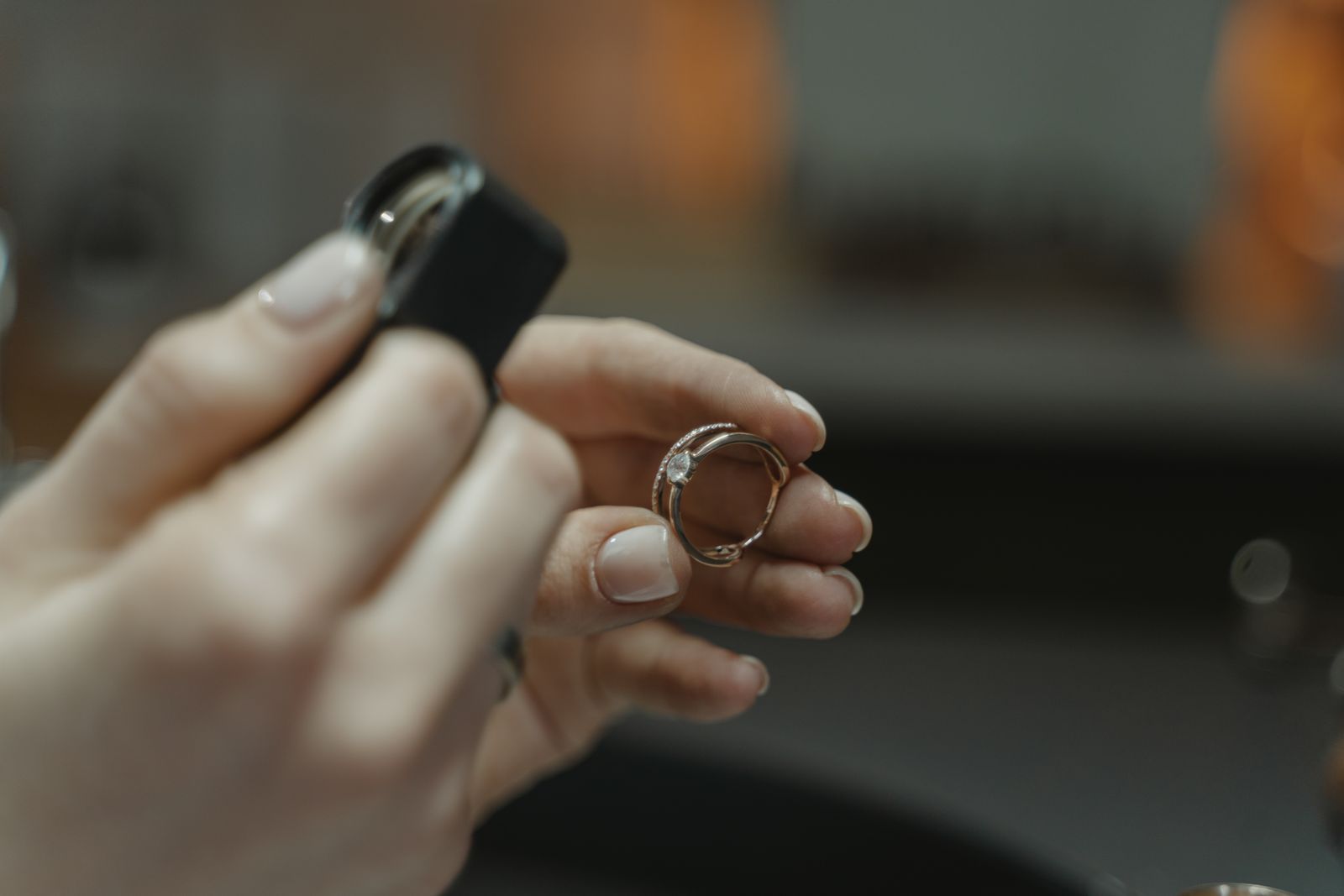
Documentation can help establish the description and insured value of a piece. Requirements differ by insurer and policy.
An insurer may request a professional appraisal for certain jewelry.
Receipts and purchase documents can help identify the item.
Clear photographs can support an inventory of insured pieces.
Periodic review can help keep insured item information current.
Do not assume every jewelry policy handles every cause of loss in the same way.
Coverage may apply when an insured piece is stolen and claim requirements are satisfied.
Some scheduled or separate jewelry policies may include accidental loss that a basic policy does not cover.
Damage to an insured piece may qualify when the applicable cause is included by the policy.
Additional causes of loss may be included according to the policy form and insurer.
A clear inventory can make it easier to review coverage amounts and identify individual scheduled pieces.
Record identifying information for insured rings.
Keep model and supporting documentation where available.
Record descriptions and applicable insured values.
Document pieces even when the original purchase receipt is unavailable.
The policy documents determine how a qualifying jewelry loss is settled.
Certain coverage can provide for replacement with a similar item or settlement according to the policy’s replacement provisions.
Some policies may settle a covered claim using an actual cash value basis or another policy-defined calculation.
Check the amount available for each insured or scheduled piece.
Determine whether an applicable deductible is required for a claim.
Check whether protection applies only domestically or in other locations.
Review excluded causes, conditions and claim requirements.
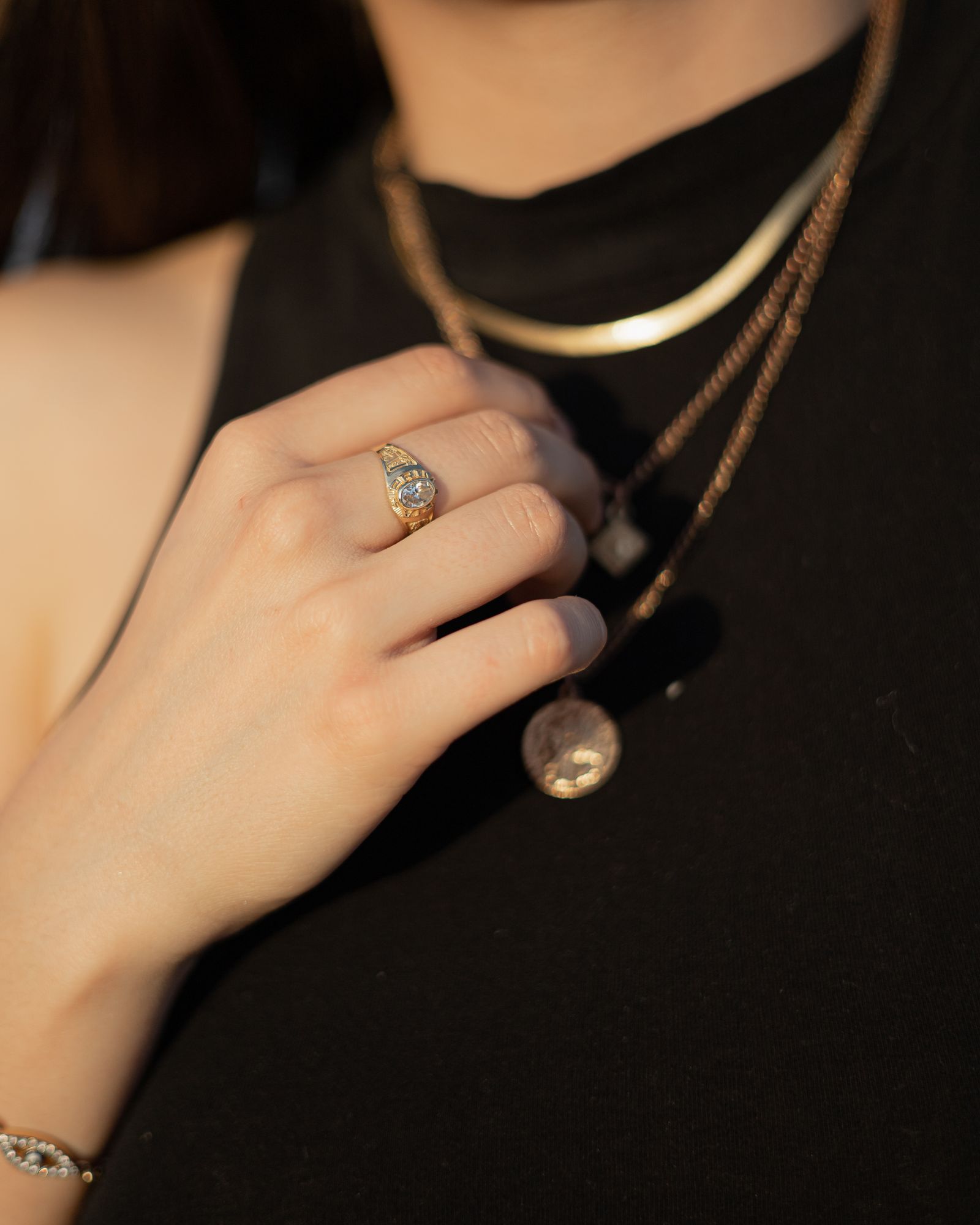
Jewelry that is worn frequently can face different risks than pieces kept in storage. Review the policy wording for the situations that matter to you.
Check how accidental loss and damage are addressed.
Confirm whether coverage applies outside your usual location.
Keep insured pieces and their documentation stored carefully.
Review scheduled items when your jewelry collection changes.
Item information and your existing insurance can begin the coverage review.
Make a list of the rings, watches, necklaces or other jewelry you want reviewed.
Have receipts, photographs, appraisals or other item records available where applicable.
Check what the current homeowners or renters policy already provides.
Compare available scheduling, endorsement or separate-policy choices.
Coverage, limits and documentation requirements differ by insurer.
Homeowners insurance commonly includes jewelry within personal property coverage, but special limits may apply to jewelry and certain types of loss.
Scheduled coverage lists individual pieces for additional protection under applicable policy terms. Supporting item documentation may be required.
An insurer may require an appraisal before providing certain scheduled jewelry coverage. Requirements vary by insurer and item.
Certain scheduled or separate jewelry policies can include qualifying accidental loss. Check the issued policy for the covered causes.
Information may include the type of jewelry, item description, documented value, purchase records, photographs, appraisal information and other details requested by the insurer.
Tell Trinity about the jewelry you want to insure to begin reviewing available coverage structures and policy choices.