Commercial Auto Liability
Liability coverage can address qualifying bodily injury or property damage claims arising from operation of an insured commercial truck.
Truck insurance can help protect qualifying commercial vehicles, business liability, transported cargo and other trucking exposures based on how your operation works.
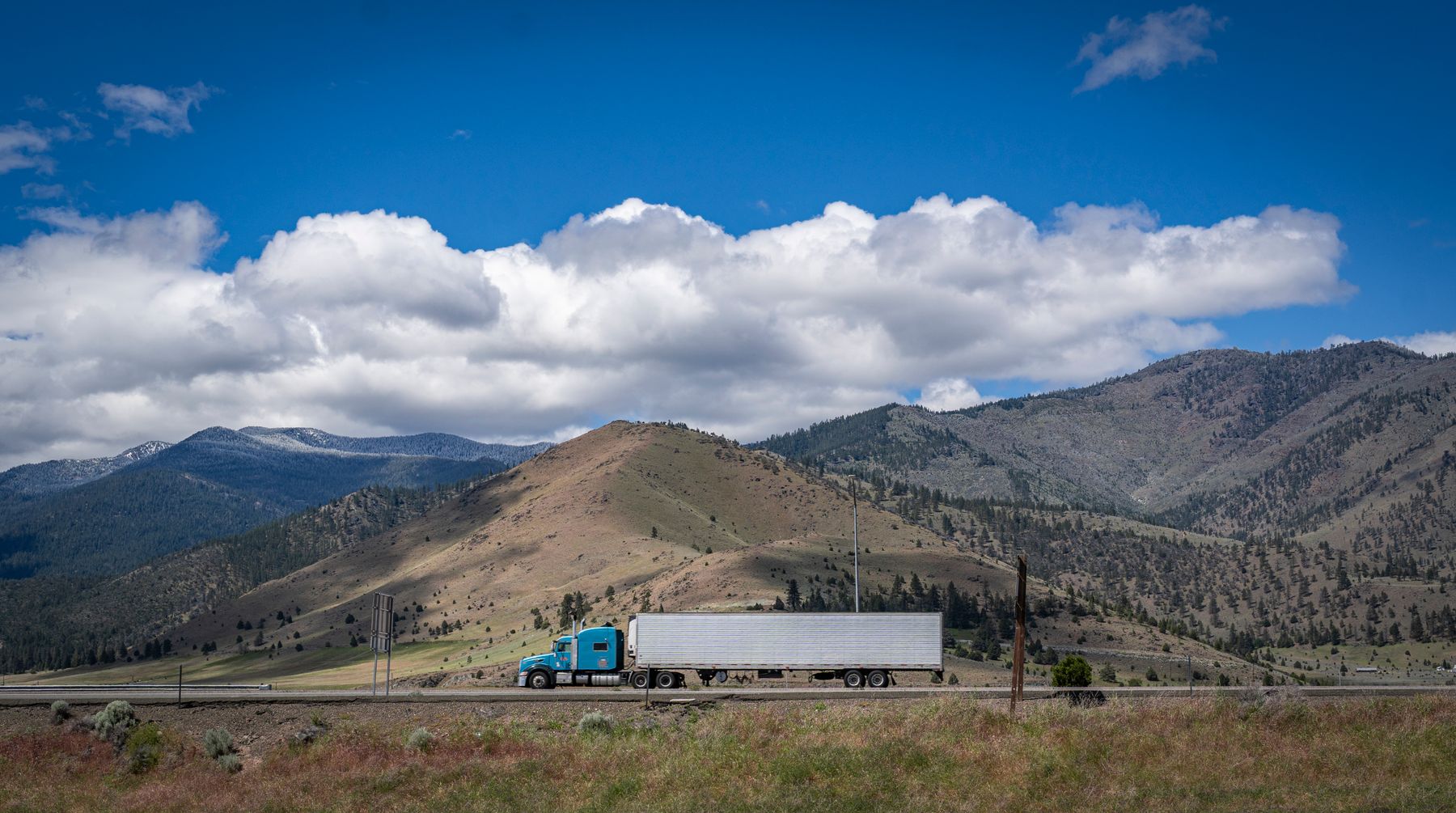
Trucking operations can involve vehicle liability, expensive equipment, freight, non-owned trailers, contractual requirements and regulatory filings.
The policy structure should reflect what you drive, what you haul, where you operate and how the truck is used.
Available coverage differs by insurer, vehicle, business activity and applicable state or federal requirements.
Liability coverage can address qualifying bodily injury or property damage claims arising from operation of an insured commercial truck.
Physical damage protection can address qualifying damage to an insured truck from covered collision and other listed causes of loss.
Cargo insurance can protect qualifying goods being transported when covered loss or damage occurs in transit.
Coverage may protect qualifying non-owned trailers in your possession under a trailer interchange agreement.
Certain leased owner-operators may use non-trucking liability for qualifying personal use of the truck when they are not operating for business.
Separate business liability coverage may address qualifying third-party claims connected with trucking activities away from driving the vehicle.
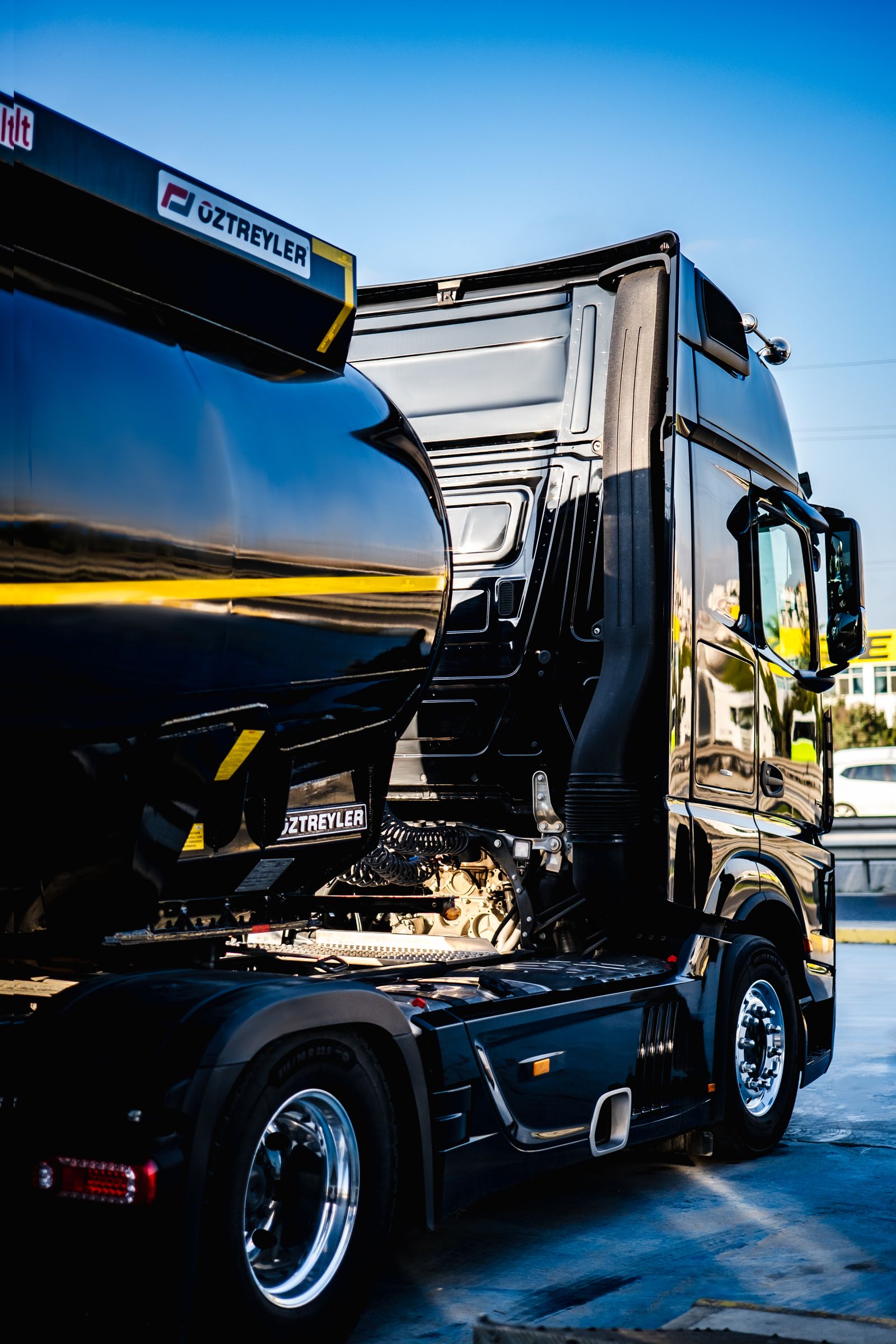
Truck insurance is not based on the vehicle alone. Business use, cargo, routes and contractual arrangements can change the coverage discussion.
Tractor-trailers, box trucks and other commercial trucks can have different policy requirements.
The type and value of goods hauled can affect available cargo coverage.
Local, regional and long-haul operations can be treated differently.
Owner-operators, leased drivers and fleets can require different policy arrangements.
Additional trucking coverage can be added when it fits the operation and is available from the insurer.
Protection for qualifying loss or damage to goods being transported by the insured trucking operation.
Physical damage protection for qualifying non-owned trailers held under a written interchange agreement.
Certain leased owner-operators may need liability protection for qualifying personal use when off duty.
Certain products may include rental or downtime-related benefits following a qualifying covered loss.
The number of vehicles, drivers, ownership structure and business contracts can affect how a trucking policy is arranged.
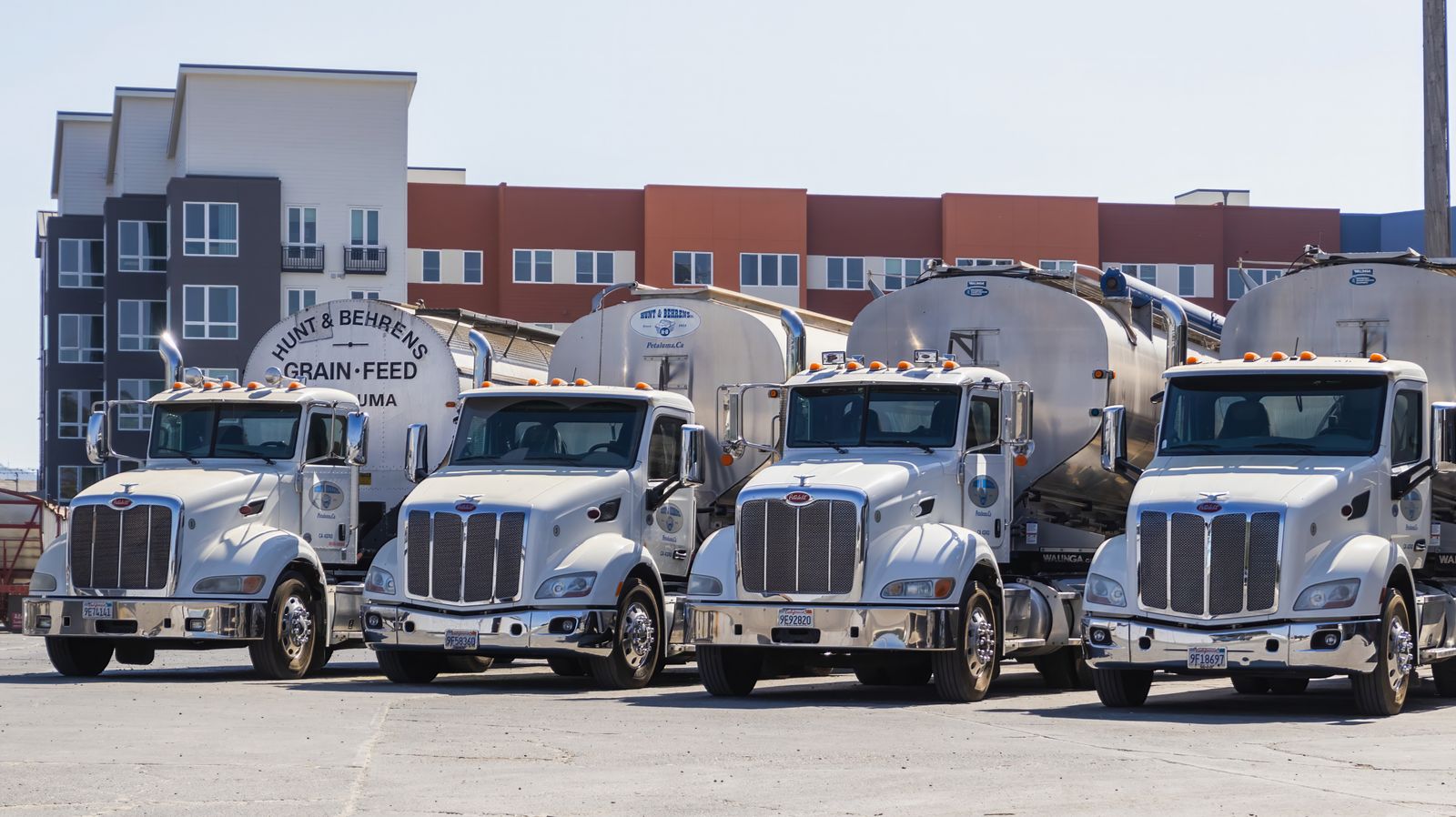
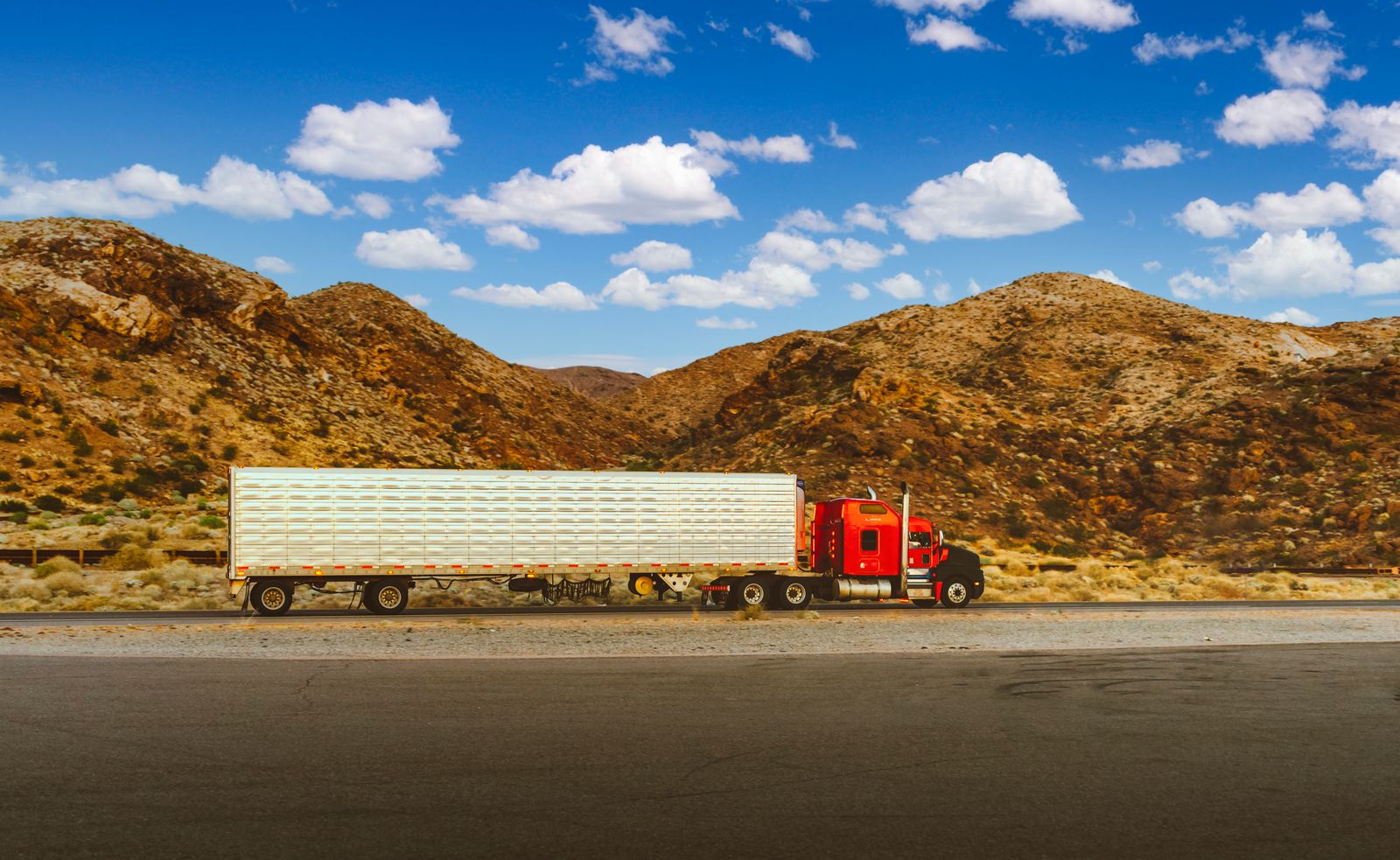
FMCSA insurance requirements can vary by carrier type, operating authority, cargo and vehicle type. State requirements can also apply.
Certain for-hire interstate motor carriers must maintain qualifying financial responsibility.
When federal insurance filings are required, the insurer submits the applicable filing to FMCSA.
Federal cargo filing requirements are not identical for every type of motor carrier.
Customers, brokers and equipment owners may require coverage beyond a regulatory minimum.
Vehicle type, year, value and permanently attached equipment may be requested.
Driver information and driving history may form part of underwriting.
The freight hauled and the areas where trucks operate can affect available policy choices.
Operating history, claims information and other business details may be requested by the insurer.
Commercial truck liability does not automatically mean every piece of cargo or every trailer is protected. Separate coverage may be required.
Review the type and value of freight regularly hauled.
Certain commodities or causes of loss may be restricted.
Trailer interchange coverage may apply when hauling trailers owned by another party.
Contracts can specify the insurance required for cargo or borrowed equipment.
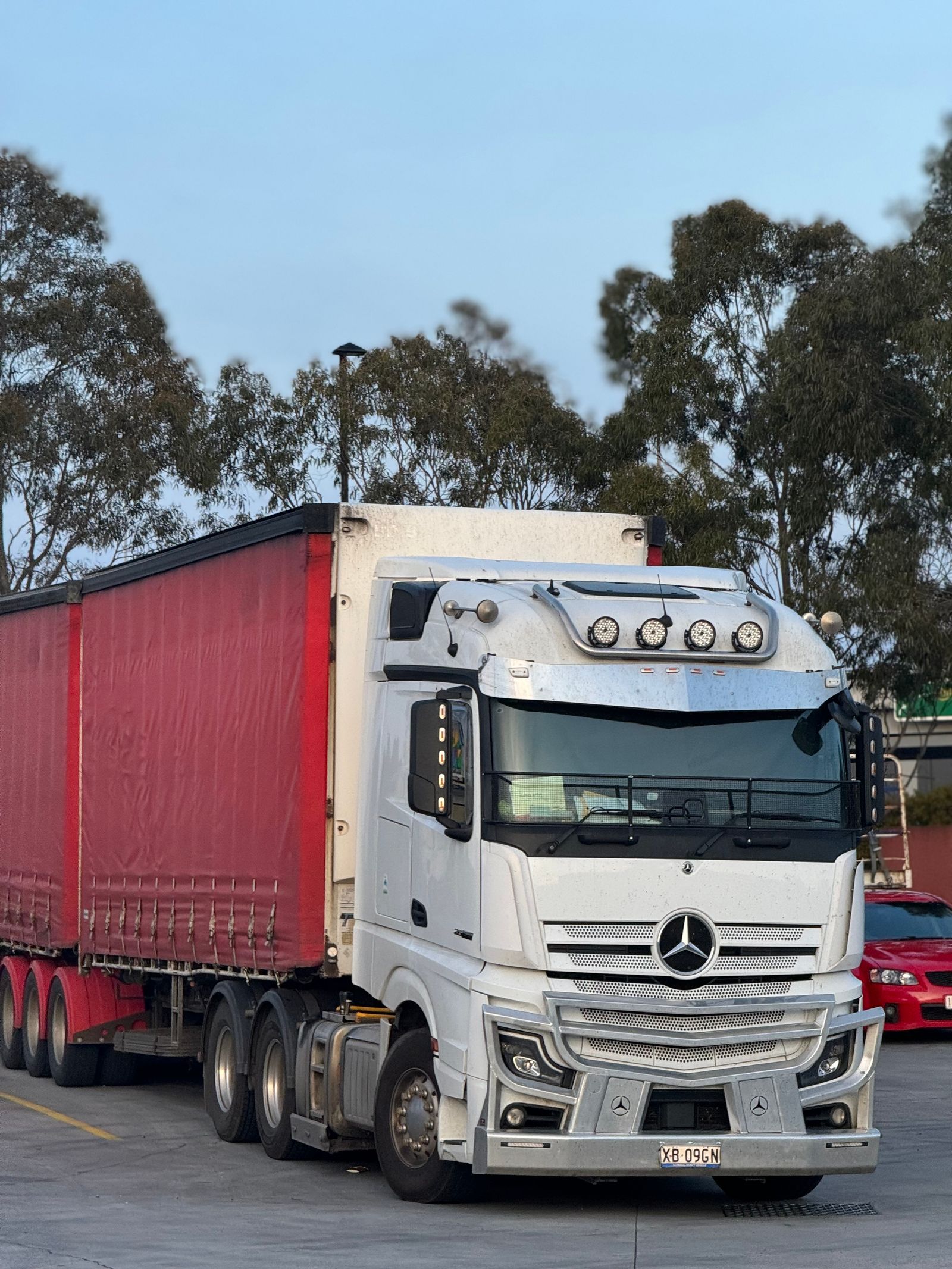
Business information helps identify the coverage areas that need review.
Share business use, operating radius, cargo and applicable authority information.
Identify vehicles, equipment and drivers that need to be considered.
Consider liability, physical damage, cargo and applicable truck-specific options.
Check limits, deductibles, exclusions and applicable filings before selecting coverage.
Requirements and available coverage differ by operation and insurer.
Depending on the operation and policy, truck insurance can include commercial auto liability, physical damage, motor truck cargo, trailer interchange, non-trucking liability and other trucking-related coverage.
No. Coverage and regulatory requirements can depend on the carrier type, operating authority, cargo, vehicle and location.
No. Federal cargo filing requirements are not the same for every motor carrier. Household-goods carriers have specific federal cargo requirements, while other operations may carry cargo insurance because of business or contract needs.
Trailer interchange insurance can provide physical damage protection for a qualifying non-owned trailer while it is in the insured trucker's possession under a trailer interchange agreement.
Non-trucking liability can provide liability protection for certain leased owner-operators when a truck is being used for qualifying personal rather than business purposes.
Information may include vehicles, drivers, business use, operating radius, cargo, applicable authority information, prior coverage and other underwriting details requested by the insurer.
Tell Trinity about your trucks, drivers, routes and cargo to begin reviewing available commercial truck insurance choices.